Hybrid Vehicle Wheels: Why 2026 Assortments Should Not Be EV-Only
News Details
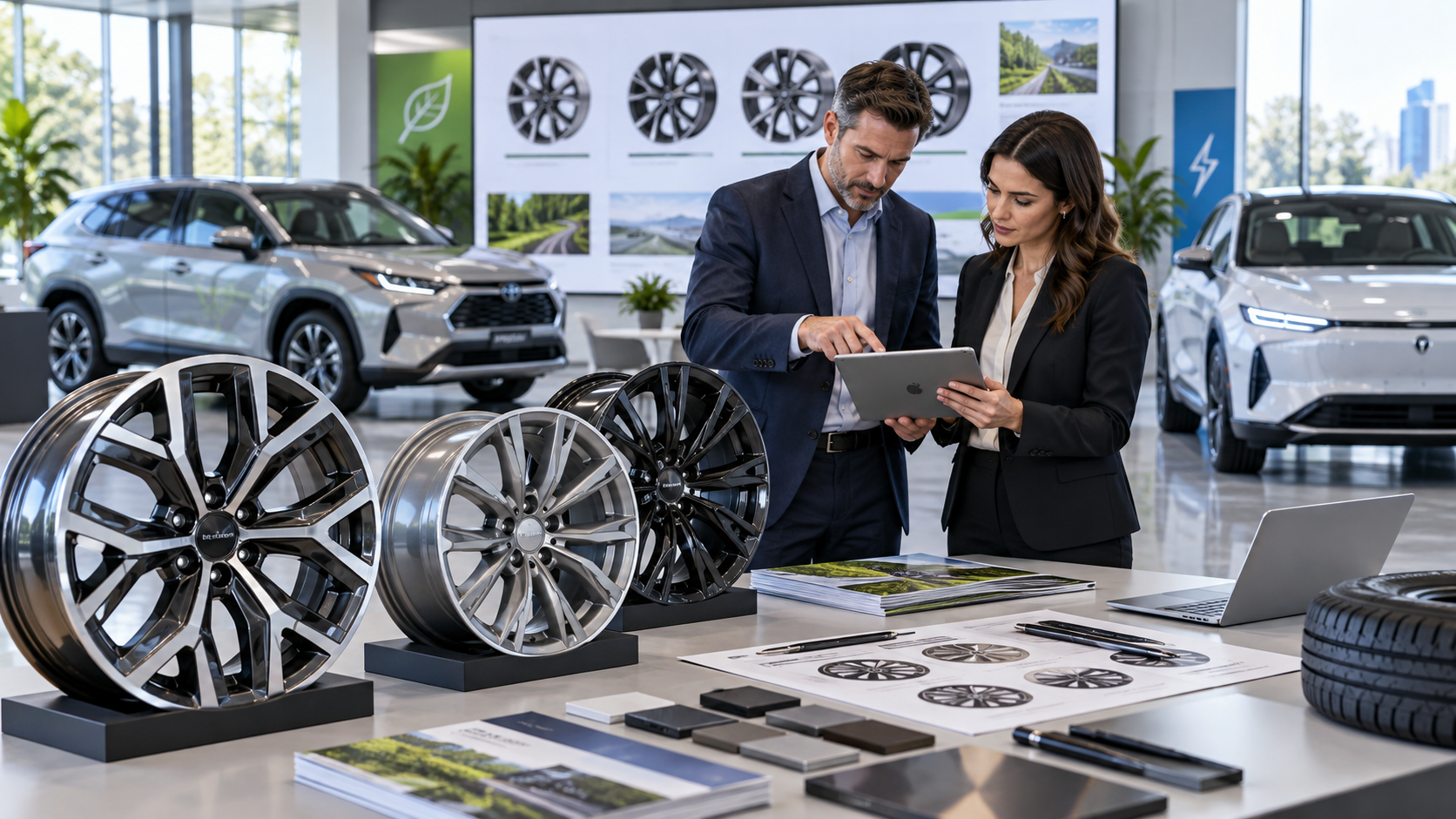
Electric vehicles are growing fast. As a result, many dealers and wheel brands are building more EV-focused product lines. That makes sense. EVs need strong wheels, careful fitment, and clean designs.
However, 2026 assortments should not be EV-only. Hybrid cars are still a major part of the market. Many buyers want better fuel use, lower running costs, and less range stress. Because of this, hybrid vehicle wheels can bring strong value to dealers, distributors, and private label wheel programs.
For B2B buyers, the key is balance. EV wheels matter, but wheels for hybrid cars should also stay in the plan.
Why Hybrids Still Matter in 2026
Hybrids sit between fuel cars and full EVs. They offer electric support, but they still use a gas engine. For many drivers, this feels simple and safe. They can save fuel without changing their daily habits too much.
Because of this, hybrids are popular with many groups, such as:
- Family car buyers
- Ride-share drivers
- Company fleets
- Taxi operators
- Urban delivery teams
- Buyers in areas with limited charging
In other words, hybrids are not a short-term bridge for every market. In many regions, they are a practical choice. Therefore, dealers who only stock EV-focused wheels may miss a large group of buyers.
EV-Only Assortments Can Limit Sales
An EV-only wheel range may look modern. Still, it can narrow your sales path. Not every customer drives a full EV. Also, many hybrid owners want wheels that improve style, comfort, and daily use.
If your 2026 range only speaks to EV drivers, hybrid owners may choose another supplier. This is especially true for aftermarket retailers, tuning shops, and regional distributors. These buyers often need flexible wheel options that cover many models.
A smart assortment should include EV wheels, fuel car wheels, and alloy wheels for hybrids. This gives sales teams more ways to match real customer demand.
EV vs Hybrid Wheel Fitment Is Not Always the Same
EV and hybrid models may look similar from the outside. However, wheel fitment can be different. That is why EV vs hybrid wheel fitment should be checked model by model.
Key fitment points include:
- Bolt pattern
- Center bore
- Offset
- Brake clearance
- Load rating
- Tire size
- Fender space
- Suspension setup
Some hybrids are based on fuel-car platforms. Others share parts with EV-style platforms. Also, hybrid battery placement can affect weight balance. So, one wheel design may not suit every version of the same vehicle family.
Before placing a bulk order, B2B buyers should confirm exact fitment data. This helps reduce returns, delays, and customer complaints.
Hybrid Wheels Need the Right Load Planning
Hybrids are often heavier than similar fuel cars because they carry batteries, motors, and control systems. Yet they are often lighter than full EVs. This middle ground needs careful planning.
If the wheel is overbuilt, it may become too heavy. This can hurt ride comfort and fuel use. If the wheel is underbuilt, it may not support real road loads. Therefore, wheels for hybrid cars should offer the right mix of strength and weight.
This is where alloy wheel design matters. Strong aluminum alloy wheels can help reduce weight while keeping good strength. For higher-end programs, forged aluminum wheels can also support stronger performance needs.
Weight Still Affects Fuel Use
Hybrid buyers often care about efficiency. Because of that, wheel weight matters. A heavy wheel can reduce some of the fuel-saving benefit that hybrid buyers expect.
Lighter wheels can help with:
- Better response
- Smoother driving
- Less rolling effort
- Lower stress on suspension parts
- A more refined daily drive
However, lighter does not mean weaker. The goal is to use smart design, proper material, and the correct structure. Wheelman offers forged and alloy wheel solutions for B2B buyers, with options that support custom fitment, finish, and project needs.
Styling Should Match Hybrid Buyers
EV wheel designs often use closed faces and aero shapes. These can work well for some EVs. But hybrid buyers may not always want that look.
Many hybrid owners still prefer familiar wheel styles, such as:
- Clean split-spoke designs
- Sport-style alloy wheels
- Premium silver or machined finishes
- Matte black or gloss black options
- Simple designs for fleet use
So, alloy wheels for hybrids should not copy every EV design. Instead, they should match the customer’s car, budget, and use case. A hybrid SUV may need a stronger, more premium design. A hybrid sedan may need a lighter and cleaner style. A fleet hybrid may need durability and easy maintenance.
Brake Clearance and Cooling Still Matter
Many hybrids use regenerative braking, but they still have standard brake systems. In city use, braking patterns can vary. Also, heavier hybrid models may place extra heat load on brakes during long drives or mountain roads.
As a result, wheel design should allow enough brake clearance and airflow. A wheel that looks good but traps too much heat may not be ideal for daily hybrid use.
Before launch, buyers should review spoke shape, inner barrel space, and brake package data. This helps ensure the wheel fits well and performs well.
Dealers Should Plan by Vehicle Segment
A strong 2026 wheel assortment should not be built around one trend. Instead, it should be built around real vehicle segments.
For hybrid vehicle wheels, dealers can plan by:
- Compact hybrid cars
- Hybrid sedans
- Hybrid SUVs
- Plug-in hybrid models
- Hybrid fleet vehicles
- Premium hybrid models
Each group may need different wheel sizes, finishes, and price points. For example, fleet buyers may want simple, durable wheels with stable supply. Premium hybrid owners may want custom finishes or forged options. Meanwhile, retail buyers may focus on style and value.
Private Label Buyers Need Flexible Supply
Private label wheel programs need more than a good design. They need stable production, clear fitment data, finish control, and packaging support. This is especially true when serving both EV and hybrid markets.
Wheelman supports custom wheel programs for global B2B customers, including forged and alloy wheel solutions. For 2026 planning, buyers can build a wider product line that covers EVs, hybrids, and key aftermarket models instead of relying on one narrow category.
This can help reduce market risk. It also gives dealers more ways to serve different customers.
What to Check Before Ordering Hybrid Wheels
Before adding hybrid vehicle wheels to a 2026 range, buyers should review the basics.
Important checks include:
- Target vehicle list
- Exact wheel size range
- Bolt pattern and center bore
- Offset range
- Load rating needs
- Tire match
- Brake clearance
- Finish options
- Packaging needs
- Order quantity and lead time
In addition, buyers should ask whether the wheel design can be adjusted for different models. This helps one design serve more vehicles while still keeping safe fitment.
Final Thoughts
EVs will remain important in 2026. Still, hybrids should not be left out of wheel assortment planning. Many drivers still choose hybrids because they are practical, efficient, and easy to use.
For dealers, distributors, and private label brands, a balanced range is the smarter path. By planning wheels for hybrid cars, checking EV vs hybrid wheel fitment, and offering the right alloy wheels for hybrids, businesses can reach more buyers and reduce stock risk.
Hybrid vehicle wheels are not a side category. They are a real sales opportunity for 2026.


