Wheel Importing from China: Five Fitment, Quality and Shipping Mistakes
News Details
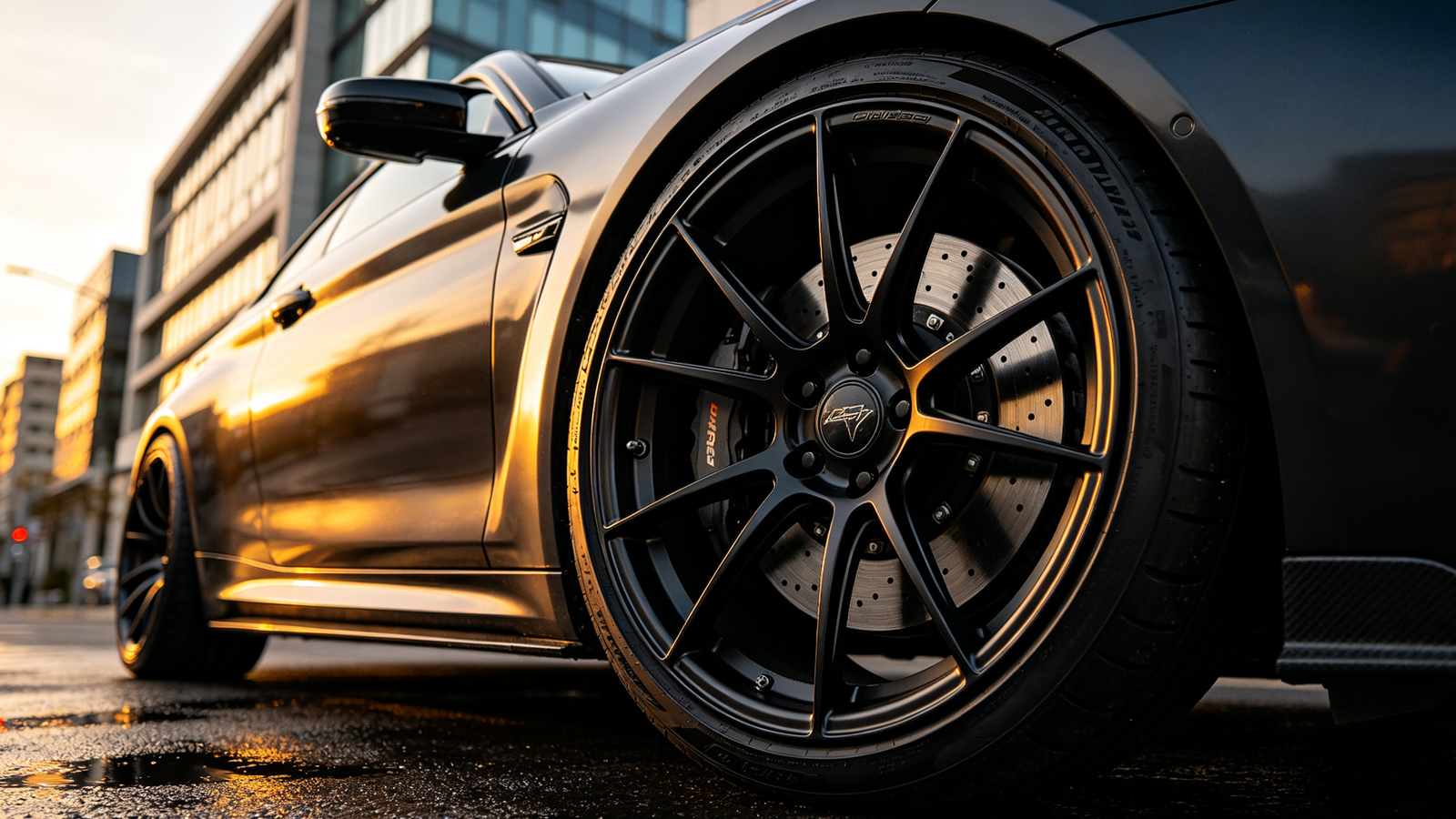
Importing custom aluminum rims or factory replicas can build a profitable automotive business. However, working with overseas partners comes with real challenges. Many B2B buyers lose time and money because they overlook small technical details.
Choosing the right aftermarket wheel supplier is crucial. You must also know how to avoid common traps during production and shipping.
Here are five costly mistakes buyers make when buying from a wheel factory China, along with simple steps to avoid them.
1. Misjudging Fitment Specs and Vehicle Clearance
A stunning design means nothing if the wheel does not fit the target vehicle correctly. Fitment errors are among the most expensive mistakes in the automotive aftermarket. If a shipment arrives with wrong specifications, you cannot easily sell those products.
Key Specs to Confirm:
-
Bolt Pattern (PCD): Even a tiny 1 mm mismatch makes installation impossible.
-
Offset (ET) and Backspacing: Incorrect offset causes tires to rub against fenders or inner suspension components.
-
Center Bore (CB): A wheel center bore that is too small will not fit over the hub. Conversely, a bore that is too large causes vibration unless you use hub-centric rings.
-
Brake Caliper Clearance: Modern vehicles often feature large brake calipers. You must verify clearance before starting mass production.
To avoid fitment issues, always request full 2D technical drawings and 3D CAD files from your manufacturing partner before ordering. Testing 3D simulations helps ensure proper fitment for all target vehicles.
2. Skipping Factory Quality Certifications and Impact Testing
Not every wheel factory China uses the same quality control standards. Buying cheap products without checking quality standards often leads to cracked rims, air leaks, or finish failures.
Before placing an order, confirm that the factory follows recognized international testing standards:
-
Dynamic Cornering Fatigue Test: Simulates continuous turns under heavy loads.
-
Dynamic Radial Fatigue Test: Measures long-term durability against road bumps.
-
Impact Test: Tests structural strength against sharp impacts from potholes.
Work with partners who hold verified certifications like ISO 9001 or IATF 16949. Reputable suppliers carry out strict dynamic radial tests and 100% leak checks before packing.
3. Underestimating Forged Wheel Lead Time and Production Schedules
Forged wheels offer superior strength and lighter weight compared to cast options. However, buyers often forget that forging requires a much longer production cycle.
Understanding the real forged wheel lead time is critical for managing your inventory. The process involves several time-intensive steps:
[ Raw Aluminum Billet ] │ ▼ [ High-Pressure Forging ] │ ▼ [ Precision CNC Machining ] │ ▼ [ Surface Finishing ] │ ▼ [ Quality Inspection ]Each stage requires specialized equipment and careful handling. A standard order typically takes 30 to 45 days, but custom CNC patterns or special finishes can add extra weeks.
To keep your supply chain running smoothly, plan your inventory needs well in advance. Always build a two-week safety buffer into your delivery schedules to handle unexpected delays.
4. Neglecting Proper Wheel Packaging for Ocean Transit
Rough ocean freight, sudden temperature changes, and handling at ports can damage rims before they reach your warehouse. Scratched clear coats, dented lips, and crushed boxes destroy your profit margins.
Strong wheel packaging is essential for long-distance shipping. Ensure your supplier uses multi-layer protective packaging:
-
Protective Plastic Ring: Shields the outer rim flange from impact.
-
Shower Cap Film: Covers the wheel face to prevent dust and scratches.
-
Non-Woven Cloth Cover: Prevents friction between the box and the painted surface.
-
Heavy-Duty Corrugated Cartons: Reinforced 5-ply or 7-ply cardboard boxes resist crushing during pallet stacking.
Request pictures of the packed pallets and container loading before the shipment leaves the factory. Proper palletization and moisture control help prevent corrosion during transit.
5. Failing to Partner with an Experienced Sourcing Partner
Trying to manage multiple single-product factories on your own often leads to miscommunication, mixed product quality, and delayed shipments.
Working with an established aftermarket wheel supplier simplifies the process. An experienced trading and manufacturing partner acts as your local quality control team in China.
Benefits of an Experienced Partner:
-
One-Stop Sourcing: Access cast, flow-formed, and forged wheels from one source.
-
Strict Quality Control: Dedicated inspectors check every batch before loading.
-
Order Tracking: Weekly status updates keep your project on schedule.
-
Clear Communication: Professional engineering support bridges the language gap.
Final Thoughts
Importing alloy wheels from China does not have to be risky. By verifying fitment details, confirming quality standards, budgeting enough lead time, demanding strong packaging, and choosing a trusted partner, you can secure reliable products and protect your business profits.
To explore certified, high-quality wheel manufacturing and custom sourcing solutions, visit Wheelman Auto to start your next order with confidence.


