Wheel Load Rating for SUVs and 4x4s: The Tire, Axle and Payload Triangle
News Details
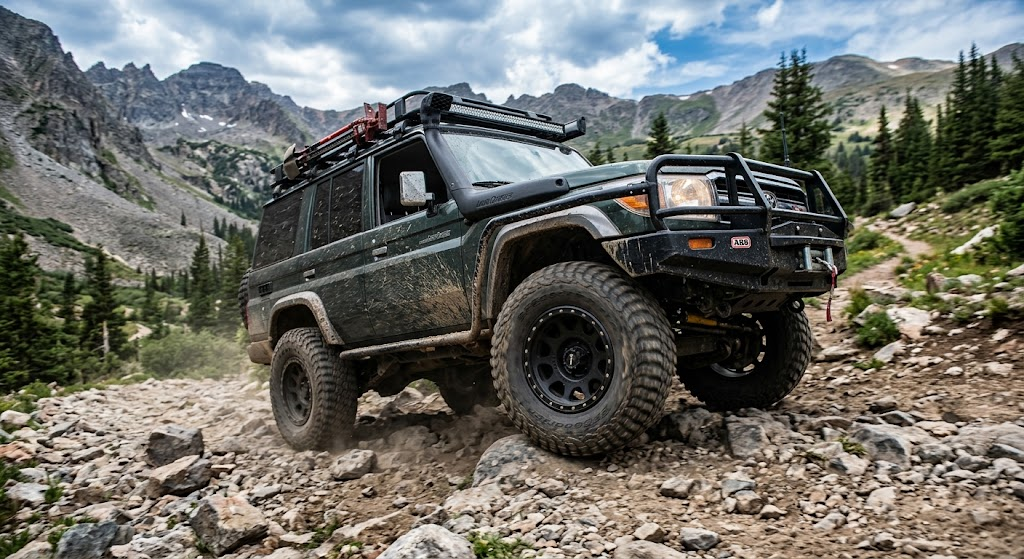
When you drive a heavy SUV or take a rugged 4x4 off-road, your wheels carry a massive amount of weight. Many drivers upgrade their rims purely for a fresh look, but style is only half of the equation. If you want true safety, high performance, and long-lasting strength, you must understand how weight moves through your chassis.
This mechanical balance relies on three key parts: your tires, your axles, and your payload. Together, they form a safety triangle. When these three elements stay in balance, your vehicle handles smoothly and remains safe on any terrain.
Understanding the Basics of Wheel Load Rating
What exactly is a wheel load rating? In simple terms, it is the maximum weight a single wheel can safely carry under normal driving conditions. Wheel engineers use rigorous structural testing—such as dynamic cornering and radial fatigue tests—to determine these load limits. For a heavy vehicle like an SUV, truck, or off-road rig, this rating is a critical safety specification.
If you fit wheels with a low weight limit onto a heavy 4x4, the rims can deform or crack over time. On the other hand, choosing the correct 4x4 wheel load rating protects your suspension, steering, and wheel bearings from uneven wear. Always check the stamped rating on the back of the wheel rim before mounting new wheels on your rig.
The Role of Tires and the Load Index
Your tires are the only point of contact between your vehicle and the road. Because of this, tires and wheels function as a unified team. Every tire features a load index code on its sidewall, which corresponds to a specific weight capacity in pounds or kilograms.
When evaluating tire load index wheels, you must align your wheel load rating with your tire rating. If your tires can support 2,500 pounds each, but your wheels are only rated for 1,800 pounds, your wheels become a dangerous point of failure. Therefore, always make sure your wheel load capacity meets or exceeds the load index of your tires. This simple check prevents structural damage and highway blowouts.
Axle Weights and Total Truck Capacity
Next, you need to consider your vehicle's front and rear axles. Your axles support the entire weight of the vehicle, as well as everything you put inside it. Vehicle manufacturers establish a Gross Axle Weight Rating (GAWR) for both the front and rear of the vehicle. This number defines the maximum weight an axle can safely handle.
To calculate the required truck wheel load capacity, take the highest GAWR figure and divide it by two. Each wheel on that axle must support at least half of that total load rating. When you tow a trailer or load heavy equipment into a pickup bed, the rear axle takes on the vast majority of that stress. Your rear wheels must feature a high enough rating to support this concentrated weight without flexing or cracking.
Payload, Cargo, and Off-Road Impact Stress
Payload includes everything you add to your stock vehicle: passengers, luggage, heavy bumpers, winches, roof racks, and camping gear. Every extra pound increases static load and forces your wheels to work harder.
Off-road driving adds dynamic forces into the mix. When you cross rocky trails, drop into washouts, or hit deep potholes at speed, gravity and momentum multiply the downward force on your wheels. A standard SUV wheel load rating designed for city commuting may fail under these sudden, violent impacts. If you frequently haul heavy loads over rough trails, you need high-strength wheels engineered specifically to absorb harsh off-road shocks.
How to Choose the Right Wheels for Your Vehicle
Selecting the right aftermarket wheels requires a simple, step-by-step process:
-
Find Your GAWR and Payload: Check the safety placard inside your driver's side door jamb to find your vehicle's Gross Vehicle Weight Rating (GVWR) and Gross Axle Weight Rating (GAWR).
-
Check Your Tire Load Index: Look at the two- or three-digit number on your tire sidewall and convert it to its weight capacity using a standard tire load index chart.
-
Select Compatible Wheels: Choose wheels whose individual load rating equals or exceeds half of your highest GAWR.
-
Account for Off-Road Use: If you regularly rock crawl or haul heavy gear, pick wheels with an extra margin of load capacity.
Never guess when dealing with structural weight limits. Upgrading your vehicle is an exciting process, but safety and reliability should always come first. By keeping the tire, axle, and payload triangle in balance, you ensure smooth handling and total peace of mind on every journey. For more expert advice and high-performance automotive parts, visit Wheelman.


