Wheel Design for Regenerative Braking Vehicles: Clearance, Cooling, and Service Access
News Details
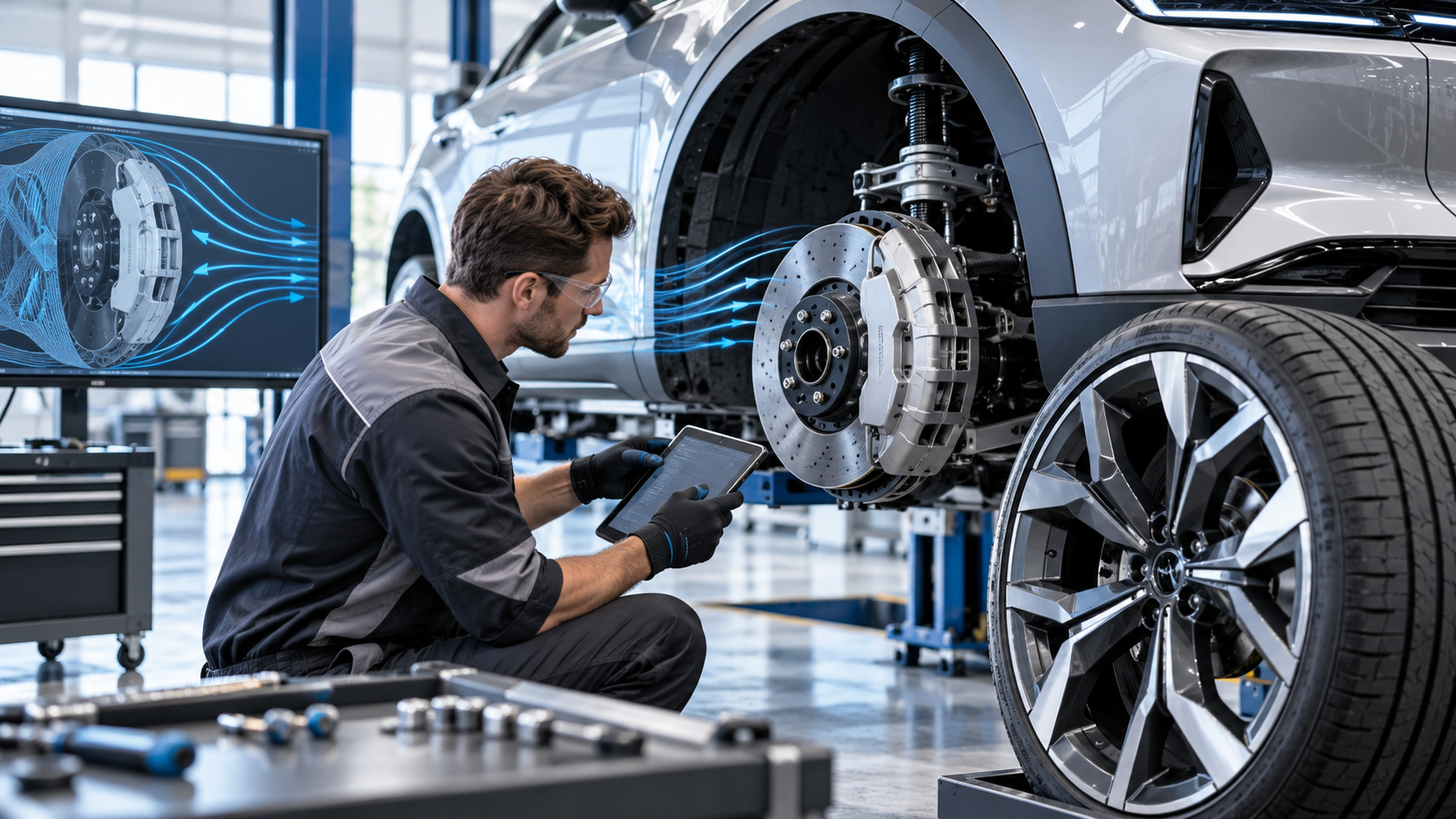
Regenerative braking has become common in electric and hybrid vehicles. It helps recover energy, reduce waste, and support better driving range. However, it also changes how wheel programs should be planned.
For dealers, distributors, and private label wheel buyers, the wheel is not just a styling part. It must work with the brake system, vehicle load, cooling needs, and service process. Therefore, regenerative braking wheels need careful design from the start.
Wheelman supports custom forged and alloy wheel solutions for OEM/OES and aftermarket programs, with engineering, fitment, and quality control support for global B2B buyers.
Why Regenerative Braking Changes Wheel Requirements
In a standard vehicle, the friction brakes do most of the stopping work. In an EV or hybrid, regenerative braking uses the motor to slow the vehicle and recover energy. As a result, the friction brakes may be used less often in daily driving.
Still, the brakes must be ready when needed. They must work during hard stops, long downhill drives, low battery states, cold weather, and emergency braking. Because of this, the wheel must leave enough space for the brake system and allow proper heat control.
In short, regenerative braking can reduce brake use, but it does not remove brake design needs.
Brake Caliper Clearance Comes First
Brake caliper clearance EV wheels should never be treated as a small detail. EVs and hybrids often use larger brake parts because the vehicles are heavier. Some models also have wide calipers or special brake packages.
If the wheel does not clear the caliper, the result can be serious. It may cause rubbing, vibration, damage, or unsafe fitment. Therefore, buyers should check clearance before any bulk order.
Important areas to review include:
- Spoke-to-caliper clearance
- Inner barrel clearance
- Caliper height and width
- Brake rotor diameter
- Wheel offset
- Wheel concavity
- Balance weight position
Even a few millimeters can matter. So, digital fitment checks, sample fitting, and clear brake drawings are useful before production.
EV Brake Clearance Wheels Need Accurate Data
EV brake clearance wheels should be based on exact vehicle data, not rough estimates. Many EVs have different brake packages by trim level, market, or model year. Also, performance versions may use larger brakes than standard versions.
Before launch, dealers and wheel brands should collect:
- Vehicle model and year
- Trim and brake package
- Rotor size
- Caliper shape
- Hub bore
- Bolt pattern
- Offset range
- Tire size
- Load rating need
This data helps reduce fitment risk. In addition, it gives sales teams more confidence when advising customers.
Cooling Still Matters for Regenerative Braking Wheels
Some buyers may think regenerative braking means less heat. In daily city use, this can be true. However, brake heat can still rise in certain cases.
For example, friction brakes may work harder when the battery is full and cannot accept more recovered energy. They may also work more during steep downhill driving, high-speed stops, or repeated braking.
Because of this, regenerative braking wheels should support airflow where needed. Wheel design can affect how much air reaches the brake area. A fully closed wheel face may help aero performance, but it may also limit cooling.
A balanced design should consider:
- Spoke opening size
- Airflow around the caliper
- Brake rotor cooling path
- Wheel face coverage
- Vehicle use case
- Local climate and road conditions
For city fleets, low drag may be a key goal. For heavier EVs, SUVs, or performance hybrids, cooling may need more attention.
Closed-Face Wheels Are Not Always the Best Choice
Many EV wheel designs use closed faces to improve airflow around the vehicle. This can help reduce drag. However, a closed design may not suit every vehicle or market.
If the wheel face blocks too much air, brake cooling may suffer. In addition, it can make brake inspection and cleaning harder. This is important for fleet users, service shops, and high-mileage drivers.
Therefore, the best design is not always the most closed design. Instead, the wheel should match the vehicle’s weight, brake size, use case, and service needs.
Service Access Should Be Built Into the Design
Service teams need clear access to inspect brakes, clean parts, and check wear. If the wheel design makes service harder, labor time can increase. Over time, this can affect dealer costs and customer satisfaction.
Good service access can help technicians:
- Inspect brake pads without removing the wheel in some cases
- Spot uneven wear sooner
- Clean brake dust more easily
- Check caliper and rotor condition
- Place balance weights correctly
- Confirm there is no rubbing after installation
For B2B programs, this matters because service ease can become a selling point. It is especially useful for fleets, dealerships, and regional distributors.
Wheel Strength and Weight Must Stay in Balance
EVs and hybrids are often heavier than similar fuel vehicles. So, wheel strength is important. At the same time, extra wheel weight can affect range, ride quality, and handling.
This is why material and structure matter. Alloy wheels for EVs and hybrids should be designed to meet load needs without adding needless weight. Forged wheels can be a strong option for higher-end or heavy-duty programs because they can offer strength with efficient material use.
Wheelman’s custom wheel capabilities include forged aluminum options, fitment support, FEA analysis, PPAP quality control, and global supply support. These services can help B2B buyers plan wheels that are strong, refined, and ready for market needs.
Fitment Testing Should Happen Before Market Launch
Before a new wheel design enters the sales channel, fitment testing should be done on real vehicles or accurate test fixtures. This is especially important for regenerative braking wheels because brake parts may vary across platforms.
Testing should include:
- Static caliper clearance check
- Dynamic clearance check under load
- Steering lock check
- Suspension compression check
- Balance weight clearance check
- Tire sidewall clearance check
- Road test for noise or vibration
- Heat review under expected use
In addition, test results should be recorded. This helps sales teams, distributors, and service partners answer fitment questions with more confidence.
What Dealers Should Ask Suppliers
A strong wheel supplier should provide more than a product photo. Dealers and importers should ask clear questions before placing orders.
Useful questions include:
- Which EV or hybrid models does this wheel fit?
- Has brake caliper clearance been checked?
- What is the load rating?
- Can the offset be adjusted?
- Is FEA analysis available?
- Are sample fittings available before bulk production?
- Can the finish and logo be customized?
- What quality checks are used before shipment?
- What packaging and logistics support are available?
These questions help prevent costly errors and support a smoother launch.
A Practical Checklist for 2026 Wheel Programs
As EV and hybrid demand grows, wheel programs should be planned with real use in mind. A practical checklist can help teams avoid missed details.
Before final approval, check:
- Brake caliper clearance
- Rotor and barrel clearance
- Cooling airflow
- Wheel load rating
- Offset and center bore
- Tire match
- Balance weight placement
- Service access
- Finish durability
- Packaging and delivery plan
This process helps create EV brake clearance wheels that are easier to sell, fit, and service.
Final Thoughts
Regenerative braking helps make EVs and hybrids more efficient. However, it does not remove the need for careful brake and wheel design. Dealers and B2B buyers still need to check caliper space, brake cooling, wheel strength, and service access.
By planning regenerative braking wheels with the right data, brake caliper clearance EV wheels can support safer fitment and better long-term use. For 2026 programs, the best wheel design is not only stylish. It is also practical, service-friendly, and ready for real road conditions.


