Off-Road Forged Wheels by Duty Cycle: Daily Driver, Overlanding and Heavy Trail Use
News Details
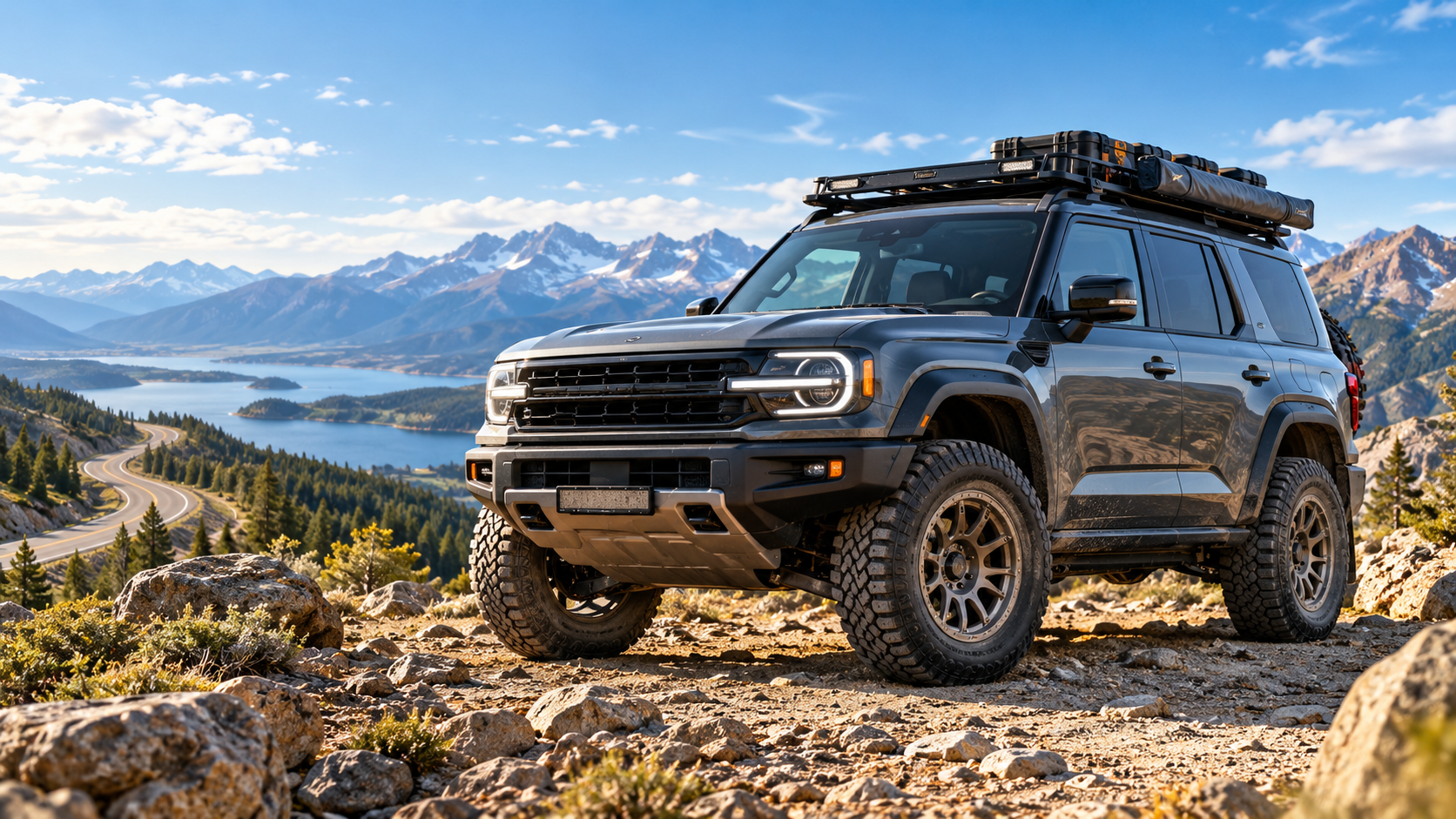
Off-road buyers do not all use their vehicles the same way. Some drive an SUV to work during the week and take light trails on weekends. Others build long-distance overlanding rigs with tents, tools, fuel, and cargo. A smaller group needs wheels for hard trail use, rock contact, and heavy impact.
Because of this, dealers and distributors should not treat all off road forged wheels as one product group. A better way is to plan by duty cycle. In simple terms, duty cycle means how hard and how often the wheel is used.
For B2B buyers, this approach helps match the right wheel to the right customer. It can also reduce returns, improve fitment advice, and build stronger product lines.
Why Duty Cycle Matters for Off-Road Wheels
A wheel for a daily SUV does not face the same stress as a wheel on a loaded overlanding truck. Also, a trail-focused 4x4 may need more strength and clearance than a city-driven SUV.
Duty cycle affects many wheel choices, such as:
- Load rating
- Wheel size
- Offset
- Rim profile
- Brake clearance
- Finish durability
- Tire match
- Weight target
- Service needs
Therefore, a clear product plan should start with use case, not only style. This is especially important for 4x4 forged wheels, where buyers expect both strength and a premium look.
Daily Driver Off-Road Builds
Daily driver off-road builds are common. These customers want a stronger look and better tire options, but they still care about comfort, noise, and fuel use. Many of them drive SUVs, pickups, or light 4x4 vehicles on normal roads most of the time.
For this group, SUV forged wheels should balance strength, weight, and style. A wheel that is too heavy may hurt ride quality. A wheel that is too aggressive may create fitment issues or rubbing.
Good daily driver wheel features include:
- Moderate offset options
- Clean spoke design
- Strong but not excessive load rating
- Easy-to-clean finish
- Good brake clearance
- Tire sizes that fit without major modification
In addition, dealers should recommend wheel and tire packages that keep the vehicle easy to drive. A daily driver must still feel smooth on highways, in parking lots, and in wet weather.
Overlanding Wheels for Long Trips
Overlanding is different from casual off-road driving. These vehicles may carry tents, recovery gear, water, fuel, tools, spare tires, and camping equipment. As a result, total vehicle weight can rise fast.
Overlanding wheels must handle long travel, rough roads, and heavy loads. At the same time, they should be serviceable in remote areas. This makes strength, fitment, and tire support very important.
For overlanding wheels, B2B buyers should focus on:
- Higher load capacity
- Strong rim structure
- Common tire size compatibility
- Finish resistance against dirt and corrosion
- Proper brake and suspension clearance
- Practical design for cleaning and inspection
Also, overlanding customers often value reliability more than extreme styling. A clean forged wheel with a strong structure may sell better than a flashy design that is hard to maintain.
Heavy Trail Use Needs More Strength
Heavy trail use places the most stress on wheels. These vehicles may face rocks, ruts, mud, steep climbs, and side loads. They may also run lower tire pressure for better grip.
For this use case, off road forged wheels need extra attention to impact strength and rim design. The wheel must resist bending, cracking, and bead problems under tough conditions.
Important features include:
- Reinforced rim area
- Strong spoke layout
- Correct offset for tire clearance
- Room for larger brakes
- Durable coating
- Easy inspection after trail use
- Load rating that fits the vehicle and gear
However, strength should not be the only goal. If the wheel is too heavy, it can affect suspension response and steering. So, the best design uses material in the right places instead of adding weight everywhere.
Why Forged Wheels Fit Off-Road Programs
Forged wheels are often chosen for high-demand use because the forging process can create a strong and dense aluminum structure. This helps support strength while allowing smart weight control.
For off-road use, forged wheels can offer clear value:
- Stronger structure for demanding use
- Better weight control than many heavy wheel options
- More design flexibility for premium programs
- Good fit for custom sizes and finishes
- Strong appeal for SUV and 4x4 buyers
For dealers and private label buyers, 4x4 forged wheels can help create a more premium product line. They also give sales teams a clear reason to explain the value beyond appearance.
Fitment Is More Than Bolt Pattern
Off-road fitment is complex. A wheel may have the right bolt pattern but still create rubbing, poor stance, or brake clearance issues. This is why EV-style simple fitment thinking does not work well for off-road programs.
Before ordering SUV forged wheels, buyers should check:
- Bolt pattern
- Center bore
- Offset
- Backspacing
- Brake caliper clearance
- Tire width
- Fender clearance
- Suspension travel
- Lift kit use
- Load rating
In addition, different trims of the same SUV or truck may have different brakes or suspension parts. So, fitment data should be checked carefully before launch.
Finish and Coating Should Match the Use Case
The wheel finish is not only about color. For off-road buyers, it also affects long-term appearance and service life.
Daily drivers may prefer gloss black, matte black, machined, or satin finishes. Overlanding buyers may prefer finishes that hide dust and resist chips. Heavy trail users may need a coating that is easier to touch up after rock contact.
Popular options include:
- Matte black
- Satin black
- Gunmetal
- Bronze
- Machined face
- Clear coat protection
Still, finish choice should match the customer’s region and road use. For example, wet climates, salted roads, and coastal areas may need stronger corrosion resistance.
Dealers Should Segment Their 2026 Assortment
A strong 2026 wheel assortment should not rely on one off-road design. Instead, dealers can build a clear range by duty cycle.
A practical lineup may include:
- Daily driver SUV forged wheels
- Mid-load overlanding wheels
- Heavy-duty 4x4 forged wheels
- Premium custom forged options
- Fleet-friendly off-road styles
This helps sales teams guide buyers faster. It also helps distributors avoid overstocking one design that does not serve all users.
What B2B Buyers Should Ask Suppliers
Before adding off road forged wheels to a product range, buyers should ask the right questions.
Useful questions include:
- What load rating does the wheel meet?
- Which SUV and 4x4 models does it fit?
- Can offset and size be customized?
- Has brake clearance been checked?
- What tire sizes are recommended?
- What finish options are available?
- Is private label support available?
- What quality checks are used?
- Can packaging be customized?
- What is the production lead time?
Wheelman supports forged and alloy wheel programs for global B2B customers, including custom design, fitment support, finishes, packaging, and production planning. This can help dealers and distributors build wheel lines that match real market demand.
Final Thoughts
Off-road wheel buyers have different needs. A daily driver, an overlanding build, and a heavy trail vehicle should not always use the same wheel. Each duty cycle calls for a different balance of strength, weight, fitment, finish, and service access.
By segmenting off road forged wheels by use case, B2B buyers can create a smarter product range. With the right overlanding wheels, 4x4 forged wheels, and SUV forged wheels, dealers can serve more customers while giving each build the wheel it truly needs.


