How to Talk About Lightweight EV Wheels Without Overclaiming Range Gains
News Details
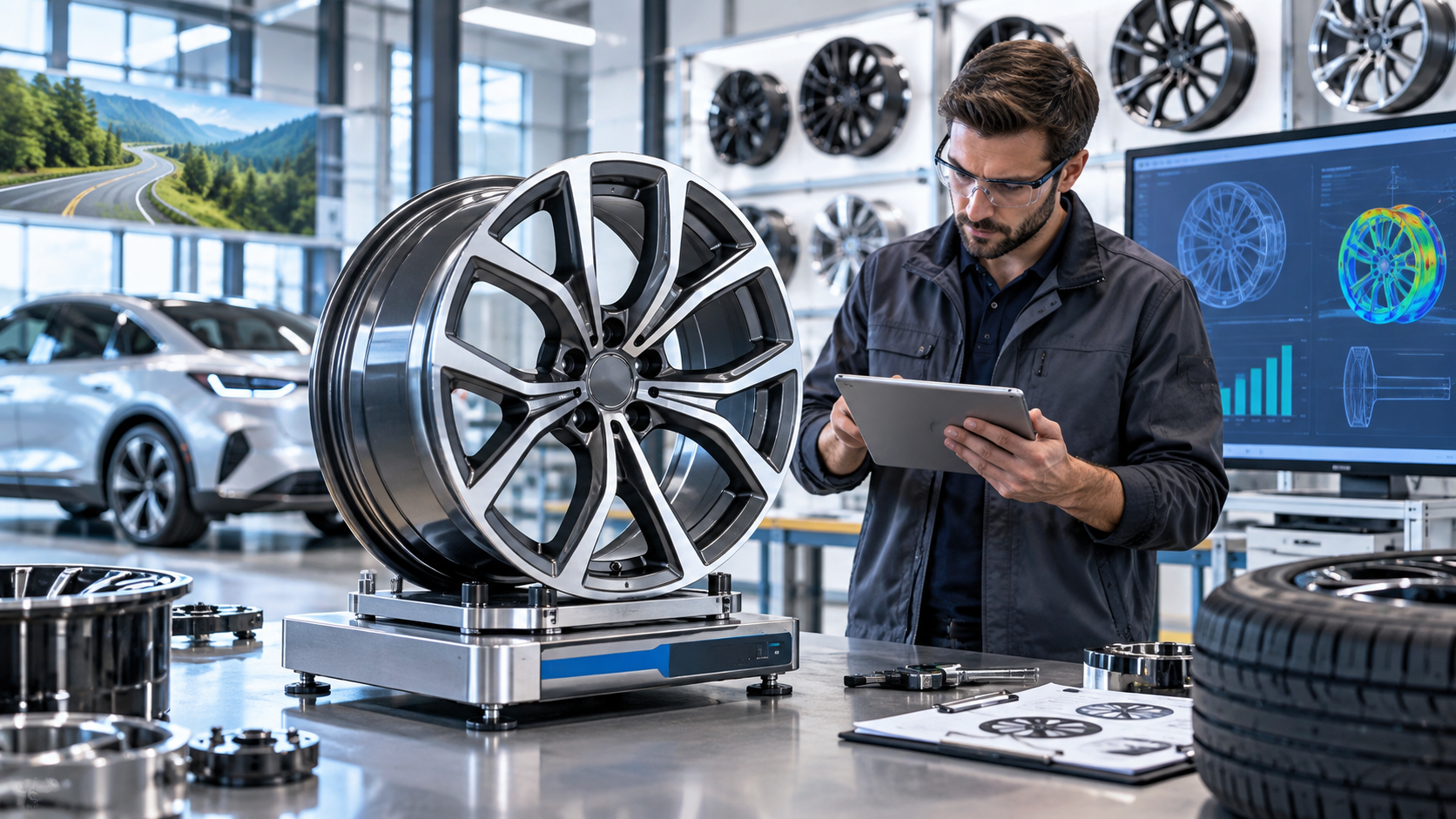
Lightweight EV wheels are a strong selling point. They can help improve handling, ride feel, and vehicle response. In some cases, they may also support better energy use.
However, range is a sensitive topic. EV buyers care about every mile. So, dealers, distributors, and wheel brands need to speak clearly. A wheel may help reduce weight, but it should not be sold with a promise that cannot be proven.
For B2B buyers, the goal is simple: explain the real value of EV wheel weight reduction without making an overblown forged wheel range claim.
Why Wheel Weight Matters for EVs
EVs are often heavier than fuel cars because of the battery pack. As a result, each part of the vehicle must work harder. Wheels are especially important because they affect how the vehicle moves, turns, and stops.
A lighter wheel may help reduce the energy needed to rotate the wheel. It may also help improve steering feel and ride control. In addition, it can reduce stress on some suspension parts.
Still, range is not controlled by wheel weight alone. Tire type, tire pressure, road surface, speed, weather, driving style, vehicle load, and aero design all affect EV range. Therefore, any range statement must be careful and based on real test data.
What Unsprung Mass Means
Unsprung mass EV discussions can sound technical. Yet the idea is easy to understand. Unsprung mass is the weight of parts that move with the wheel instead of the vehicle body. This includes wheels, tires, brake parts, and some suspension parts.
When unsprung mass is lower, the suspension can react more quickly to the road. This can help the vehicle feel more stable and smooth. It may also improve tire contact with the road.
Because of this, lightweight EV wheels can support:
- Better steering response
- More refined ride feel
- Less suspension stress
- Faster wheel control over bumps
- A more premium driving feel
These are clear benefits that buyers can understand. They are also easier to explain than a fixed range promise.
Why Range Claims Need Care
A simple claim like “adds range” may sound good, but it can create risk. If the claim is not backed by testing, customers may lose trust. In B2B sales, that can lead to returns, complaints, or brand damage.
Range gains can vary by vehicle and use case. For example, a lighter forged wheel may help one model more than another. Also, a wheel with a more open design may weigh less but create more air drag. In that case, the final range result may not be simple.
So, instead of saying a wheel “will increase range,” it is better to say it “may support efficiency when paired with the right tire and vehicle setup.” This is more accurate and more useful.
How to Explain EV Wheel Weight Reduction
When talking about EV wheel weight reduction, focus on facts first. Buyers want clear data. They also want to know how the wheel fits into the full vehicle system.
A strong product message can include:
- Wheel weight by size
- Load rating
- Material and structure
- Fitment data
- Test method
- Tire match
- Brake clearance
- Finish options
- Quality checks
For example, a dealer can compare the weight of a forged wheel with a cast wheel of the same size. This is easy to understand. It also avoids making a range promise that may not apply to every customer.
Forged Wheels Can Help, But Claims Must Be Precise
Forged wheels are often used when strength and weight control both matter. A forged aluminum wheel can offer high strength with efficient material use. This can be useful for heavy EVs, performance EVs, and premium aftermarket programs.
Still, a forged wheel range claim should be made only when there is reliable test data. If no test has been done, the message should focus on weight, strength, fitment, and driving feel.
Better wording includes:
- “Designed to reduce wheel weight compared with selected cast alternatives”
- “Built for strength and weight control in EV applications”
- “May help support vehicle efficiency as part of a full wheel and tire setup”
- “Test data available upon request for approved programs”
This type of language is clear. It also leaves room for real vehicle differences.
Do Not Ignore Tire Choice
Wheels and tires work as one system. A lighter wheel paired with a poor tire may not improve efficiency. In fact, tire rolling resistance can have a large effect on range.
That is why dealers should discuss wheel and tire packages together. Tire size, tread design, compound, pressure, and load rating all matter. A wider tire may improve grip but may also add rolling resistance. A heavier tire may reduce the benefit of a lighter wheel.
Therefore, lightweight EV wheels should be sold with proper tire guidance, not as a single magic fix.
Aero Design Can Affect the Result
Wheel weight is only one part of EV efficiency. Wheel aerodynamics also matter. A closed-face design may help reduce drag, while a very open spoke design may increase air movement around the wheel area.
However, closed wheels may reduce brake cooling or change the visual style. So, the best design depends on the target vehicle, customer group, and driving use.
For B2B buyers, it is wise to compare:
- Weight
- Aero profile
- Brake cooling
- Caliper clearance
- Strength
- Style demand
- Target price
This gives a fuller view of the product instead of focusing on range alone.
What Dealers Should Say to Customers
Dealers should use simple and honest language. Customers do not need vague claims. They need clear reasons to choose a product.
A useful sales message may be:
“Compared with heavier wheel options, this lightweight wheel is designed to reduce rotating mass and improve driving response. Any range effect can vary by vehicle, tire, speed, road, and driving style.”
This statement is easy to understand. It also sets the right expectation.
Dealers can also highlight comfort, control, fitment, and quality. These are strong benefits even when range impact is not tested.
What B2B Buyers Should Ask Suppliers
Before adding lightweight EV wheels to a product line, buyers should ask suppliers for clear details. This helps protect both sales teams and customers.
Useful questions include:
- What is the wheel weight by size?
- What material is used?
- Is the wheel forged, flow formed, or cast?
- What load rating does it meet?
- Which EV models does it fit?
- Has brake clearance been checked?
- Is FEA analysis available?
- What validation process is used?
- Is range or efficiency data available?
- Can the design, finish, and logo be customized?
Wheelman supports private label wheel programs, forged aluminum wheels, advanced engineering, FEA analysis, PPAP quality control, and global supply support for B2B customers. This helps buyers build products with clear data and stable production support.
Build Better Product Pages and Catalog Copy
Good product copy should be direct and easy to check. It should explain what the wheel is designed to do and which data supports the claim.
For lightweight EV wheels, product pages can include:
- Wheel size
- Weight
- Load rating
- Offset range
- Bolt pattern
- Center bore
- Finish
- Compatible vehicle types
- Test notes
- Suggested tire pairings
In addition, range-related wording should stay measured. Use “may,” “can help,” or “designed to support” when the result depends on the vehicle and driving conditions.
A Practical Claim Checklist
Before using any range-related message, teams should review the claim.
Ask these questions:
- Is the claim based on test data?
- Does the test match the vehicle and tire setup?
- Is the result repeatable?
- Are driving conditions listed?
- Does the claim explain limits?
- Could customers read it as a promise?
- Is the wording clear and fair?
If the answer is not clear, adjust the claim. A more careful message can still sell well because it builds trust.
Final Thoughts
Lightweight EV wheels can be a smart choice for dealers, distributors, and private label brands. They can support better response, lower unsprung mass, and a more refined drive. However, range gains should be discussed with care.
The best approach is to focus on proven facts: EV wheel weight reduction, material, fitment, load rating, and test support. A forged wheel range claim should only be used when the data is strong enough.
By using clear language, B2B buyers can promote lightweight EV wheels with confidence while giving customers a more honest and useful product story.


