How to Quote Custom Forged Wheels: Inputs That Prevent Rework
News Details
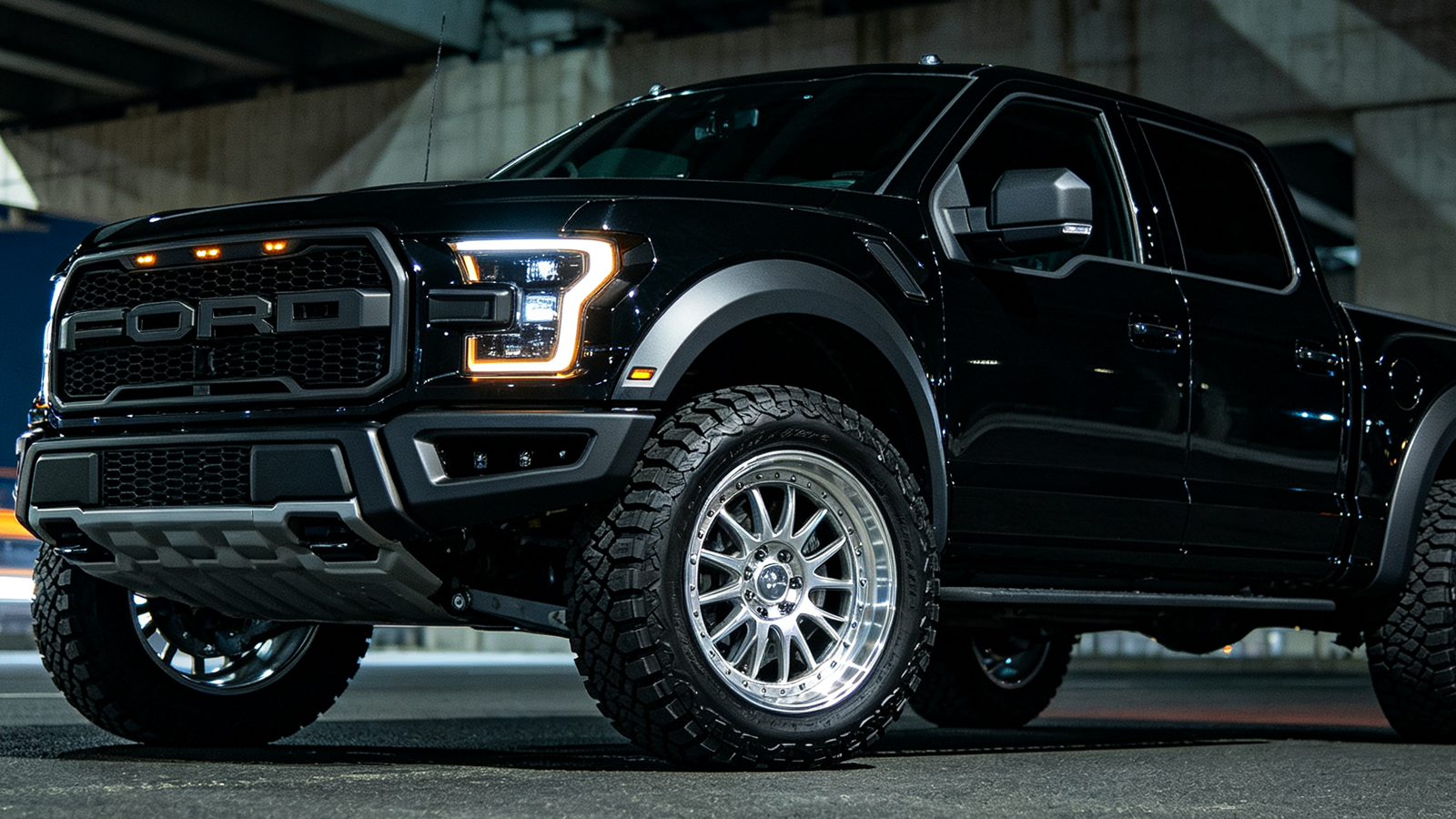
Quoting custom forged wheelstakes more than picking a style and a size. Because forged wheels rely on exact engineering, one tiny error in the early specs can cause massive delays later. Buying teams often run into long production halts, scrapped aluminum blocks, or extra engineering fees simply because early details were missing.
When you work with a custom rims manufacturer, sending a complete RFQ (Request for Quote) is the best way to keep costs down and projects on time. In this guide, we will break down the essential inputs you need to give your wheel supplier to get accurate prices and prevent costly rework.
1. Precise Vehicle Fitment Data
First, you must define the exact physical fitment for the target vehicle. Custom forged wheels are cut from solid 6061-T6 aluminum billets, so there is no room for guesswork once the CNC machine starts spinning.
To get an accurate quote, always provide:
-
PCD (Pitch Circle Diameter): The bolt pattern (for example, 5x112 or 6x139.7).
-
Center Bore (CB): The exact hub clearance measured in millimeters.
-
Offset (ET): The distance from the mounting hub to the wheel center line.
-
Wheel Diameter and Width: Precise dimensions for both front and rear fitments.
If your offset or center bore is off by even two millimeters, the wheel may hit the suspension arms or poke out past the fender. Giving your supplier these exact specs right away saves you from paying for costly engineering re-draws.
2. Brake Clearance and Caliper Profiles
Big brake kits are very popular in the aftermarket world today. However, large brake calipers often cause fitment issues if you do not plan for them early on. A wheel might match the correct bolt pattern and offset, yet still rub against the front face of a 6-piston brake caliper.
When you request a quote from an aftermarket wheel supplier, always share:
-
The exact brake brand and model (such as Brembo, Wilwood, or OEM performance brakes).
-
A 2D caliper profile template or a 3D scan if available.
-
The required clearance gap between the spoke back and the caliper face.
When your supplier has these details, engineers can adjust the spoke pocket depth and dish profile before cutting the metal. This quick step keeps you from receiving a batch of wheels that fail test-fitting.
3. Load Rating and Vehicle Weight Requirements
Forged wheels are famous for being light and strong, but they must still match the weight of the vehicle. A forged wheel designed for a light sports car will fail if installed on a heavy electric SUV or an off-road truck.
To ensure structural safety and get the right price, specify:
-
Gross Vehicle Weight Rating (GVWR): The maximum total weight of the vehicle.
-
Target Load Rating per Wheel: Usually listed in kilograms or pounds (for example, 850 kg per wheel).
-
Vehicle Type: Electric vehicles, heavy trucks, and track cars each need different internal structural reinforcement.
Knowing the required load rating allows the engineering team to select the correct forged blank thickness. If you skip this step, you risk getting an over-engineered wheel that is too heavy, or an under-engineered wheel that fails strength tests.
4. Construction Type and Surface Finishes
The style and build type of a wheel directly affect material costs and machining time. A simple one-piece wheel takes much less time to process than a multi-piece design.
Make sure your quote request clearly states:
-
Construction Type: Monoblock (1-piece), 2-piece, or 3-piece forged design.
-
Finish Style: Single-color paint, brushed clear, polished, anodized, or two-tone finishes.
-
Hardware Options: Hidden assembly bolts vs. exposed titanium hardware for multi-piece wheels.
Complex surface treatments like hand-brushing or custom color matching add extra steps to the production line. Outlining these finish choices upfront ensures your price quote covers all manual labor and custom coating steps.
5. Production Volume and Order Size
Order volume directly impacts your price per unit. A custom rims manufacturer must set up unique CNC tooling paths and machine programs for every custom design. As a result, small orders carry higher tooling costs per wheel.
When planning your order, keep these points in mind:
-
Forged Wheel MOQ: Most specialized factories have a minimum order quantity (MOQ), often starting at 1 set (4 wheels) for fully custom orders, or 20 to 50 wheels for small batch runs.
-
Sample Units: State if you need a single prototype set for fitment testing before launching full production.
-
Future Projections: If you plan to reorder the same design later, let your factory know. They can save the CNC programming files to reduce future setup costs.
Clarifying your total volume upfront helps the factory offer bulk discounts on raw forged blanks and machining time.
6. Real Lead Time Expectations
Time frame expectations often lead to misunderstandings between buyers and factories. Forged wheel manufacturing includes multiple specialized steps: 3D CAD design, FEA stress analysis, CNC cutting, hand finishing, heat treating, and quality testing.
When discussing project timelines, consider the following factors:
-
Forged Wheel Lead Time: Standard production usually takes 25 to 40 days, depending on design complexity and finish choices.
-
Factory Location and Shipping: Sourcing from a top wheel factory China can significantly lower your unit costs, but you must factor in 20 to 30 days for ocean freight or a few days for express air shipment.
-
Design Approval Phase: Remember that lead time starts after you approve the final 3D design drawing, not when you place the initial deposit.
Sharing your retail launch date or trade show deadline early allows the supplier to schedule production slots efficiently and avoid rushed work.
Final Summary Checklist for Your RFQ
To get a fast, accurate quote without back-and-forth emails, double-check that your quote request includes:
-
Exact fitment specs (PCD, Center Bore, Wheel Size, Offset).
-
Brake system brand and caliper space requirements.
-
Target load rating based on vehicle weight.
-
Wheel structure (Monoblock or Multi-piece) and custom finish specs.
-
Clear order quantities that meet the factory's forged wheel MOQ.
-
Realistic target dates that account for total forged wheel lead time.
By gathering these details before you request a quote, you protect your business from costly production errors. Working closely with a professionalcustom rims manufacturerensures your wheels pass every test, fit perfectly on the vehicle, and arrive right on schedule. Whether you are an aftermarket wheel supplierexpanding your catalog or a custom shop building bespoke vehicles, partnering with a trusted wheel factory China gives you the quality, strength, and design flexibility your customers demand.
To learn more about custom wheel fitments and manufacturing options, visit Wheelman Auto.


