Custom Forged Wheels for Heavy EVs: Load Rating, Tire Width and Validation Checklist
News Details
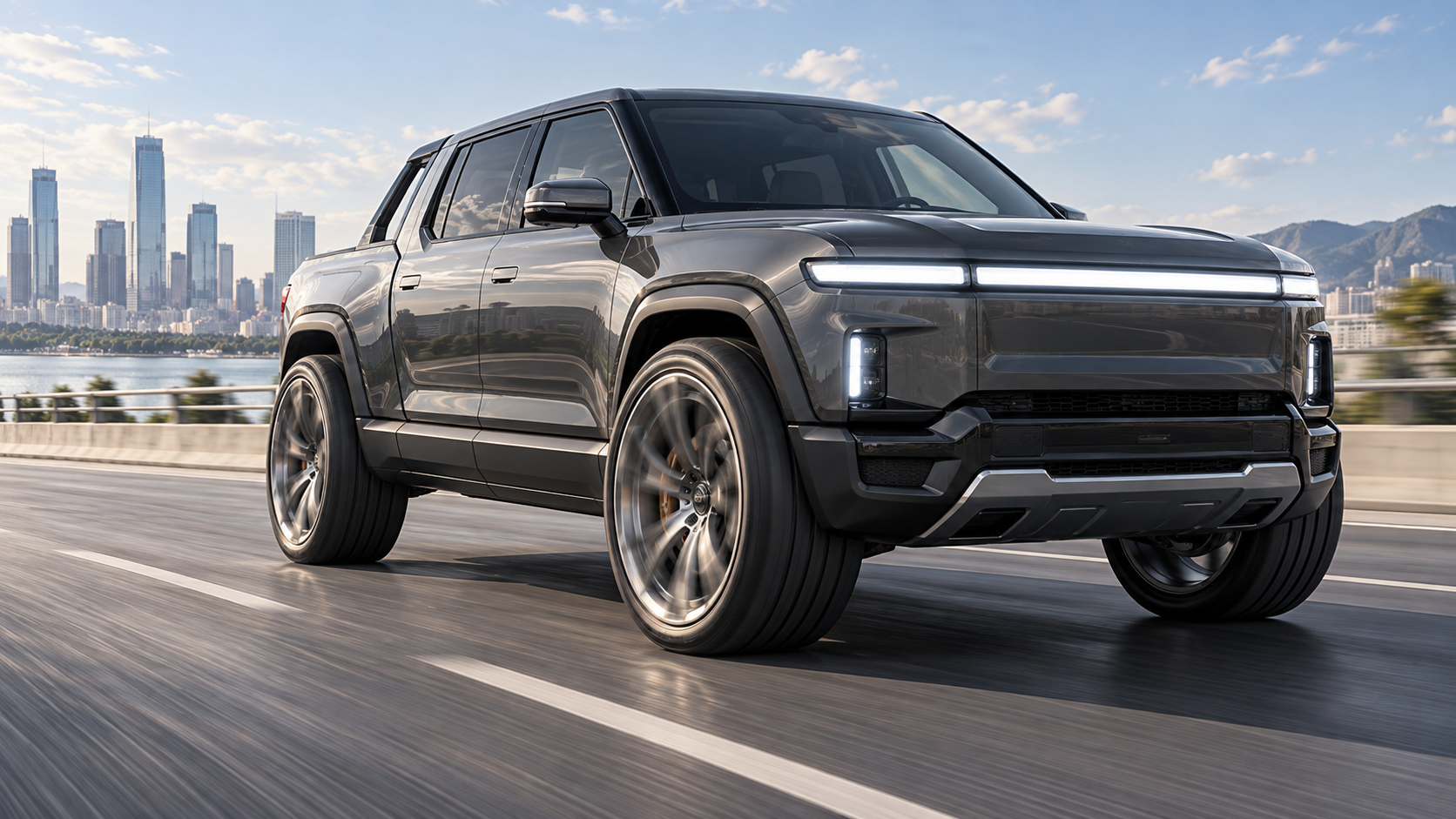
Heavy electric vehicles place new demands on wheels. Battery packs add weight. Instant torque adds stress. Also, many EV buyers expect quiet driving, clean design, and long service life. For B2B buyers, this means wheel choice is no longer only about style. It is also about load, fitment, tire match, and proof.
For dealers, fleet buyers, and private label brands, EV forged wheels can be a smart choice. Forged aluminum wheels offer high strength, lower weight, and strong design freedom. However, each project must start with clear data. Before production, buyers should confirm the wheel load rating for EV use, tire width range, offset, brake space, and test plan.
Wheelman supports custom EV wheels with forged aluminum options, FEA engineering, PPAP quality control, and OEM/OES-focused program management.
Why Heavy EVs Need Stronger Wheel Planning
EVs are often heavier than similar fuel vehicles. The battery is the main reason. As a result, each wheel may carry more static load. Then, during braking, cornering, pothole impact, and fast acceleration, the stress can rise fast.
This is why forged wheels for electric cars should not be selected only by size. A wheel may look right, yet still be wrong for the vehicle if the load rating, offset, or tire match is not correct.
In addition, EVs create high torque from low speed. This can add stress around the hub, spokes, bolt holes, and rim area. Therefore, the wheel design must balance strength, weight, heat control, and fitment.
Load Rating Comes First
The wheel load rating for EV projects should be based on real vehicle data. Buyers should check the gross vehicle weight rating, axle loads, target market rules, and tire load index. Then, the wheel load rating should be selected with a clear safety margin.
For B2B orders, never rely on a general size chart alone. Instead, ask for project-based confirmation. Key data should include:
Vehicle make and model
Vehicle weight and axle load
Wheel size, width, offset, PCD, and center bore
Target tire size and tire load index
Brake caliper size and clearance
Use case, such as city fleet, SUV, pickup, luxury EV, or performance EV
With this data, the supplier can review the wheel structure through engineering checks before tooling or mass production.
Tire Width Must Match the Wheel and the Vehicle
Tire width affects ride comfort, grip, range, and safety. A wider tire can improve stance and grip. However, it may also add rolling resistance, reduce driving range, and increase road noise. On the other hand, a tire that is too narrow for the wheel can affect bead seating and handling.
So, tire width must match both the rim width and the EV platform. The right choice depends on the vehicle weight, tire load index, fender space, suspension travel, and steering angle.
For custom EV wheels, buyers should confirm these points early:
Recommended rim width for the tire
Approved tire load index
Outer and inner clearance
No rubbing at full steering lock
No contact during full suspension travel
Correct speed rating for the vehicle
Proper air pressure range for the tire and load
This step is simple, but it prevents many costly fitment issues later.
Offset, Brake Clearance, and Hub Fit Matter
EV wheels often need careful offset control. The offset affects track width, fender position, bearing load, and brake clearance. If the offset is too aggressive, the wheel may rub the fender. If it is too far inward, it may hit suspension parts or brake parts.
Brake clearance is also important. Many EVs use large brake parts, even when regenerative braking reduces daily brake use. So, buyers should provide brake drawings, 3D scans, or sample data when possible.
Hub fit is another key point. The center bore should match the vehicle hub, or use the correct hub ring if the program allows it. For premium and fleet orders, hub-centric fitment is often the better choice because it helps reduce vibration.
Why Forged Aluminum Is a Strong Choice for EVs
Forged aluminum wheels are made under high pressure. This process helps improve material density and strength. As a result, forged wheels can often be lighter than cast wheels while still meeting high load needs.
For EVs, lower wheel weight can support better response and may help reduce unsprung weight. In daily use, this can improve ride feel and handling. For B2B buyers, forged construction also offers more design freedom for private label programs.
Wheelman uses 6061-T6 forged aluminum for forged wheel projects and offers monoblock, 2-piece, and 3-piece structures. This gives buyers more options for different EV types, from premium sedans to SUVs and light commercial vehicles.
Validation Checklist for Heavy EV Forged Wheels
Before confirming production, use a clear validation checklist. This helps the buyer, supplier, and end customer stay aligned.
-
Confirm vehicle data
Check vehicle weight, axle load, brake size, bolt pattern, center bore, and target market. -
Confirm wheel load rating
Make sure the load rating fits the EV platform and has the right safety margin. -
Review tire size and tire load index
Match tire width, rim width, load index, and speed rating. -
Check offset and clearance
Review inner clearance, outer fender line, brake space, and suspension movement. -
Run engineering review
Use FEA and design checks to find stress points before production. -
Confirm sample fitment
Test the wheel on the real vehicle or with accurate fitment data. -
Check surface finish
Review color, logo, coating, and batch consistency. -
Validate strength and safety
Confirm impact, cornering fatigue, radial fatigue, air leak, and runout checks as required. -
Review PPAP or quality files
For OEM/OES or fleet programs, request clear quality records and approval steps. -
Confirm packaging and logistics
Make sure each wheel is protected for global shipping and bulk delivery.
What B2B Buyers Should Ask the Supplier
A strong supplier should do more than produce a wheel shape. They should help review the full program. Before placing an order, buyers should ask:
Can you support FEA review for the design?
Can you confirm the wheel load rating for EV use?
Can you support custom logo, color, and packaging?
Can you provide sample photos, videos, or 3D renderings?
Can you manage OEM/OES-style quality steps?
Can you support global delivery and stable repeat orders?
These questions help reduce risk. Also, they make it easier to compare suppliers on real capability, not only price.
Wheelman Support for Custom EV Wheel Programs
Wheelman is a professional wheel manufacturer in China with experience in forged and alloy wheel solutions. The company supports private label wheel programs with design, engineering, quality control, production tracking, and global logistics.
For heavy EV projects, Wheelman can help buyers plan custom EV wheels around load rating, tire width, fitment, finish, and validation needs. With FEA analysis, PPAP protocols, and OEM-standard quality control, Wheelman helps B2B customers move from concept to road with more confidence.
Final Thoughts
Heavy EVs need wheels that are strong, accurate, and fully checked before launch. So, the best wheel program starts with data. First, confirm the vehicle load and tire needs. Next, review offset, brake space, and hub fit. Then, validate the design before mass production.
With the right process, EV forged wheels can deliver strength, clean style, and reliable fitment for modern electric vehicles. For dealers, fleets, and private label brands, this makes forged wheels for electric cars a practical choice for long-term growth.


