Wheel Application Guide for Light Truck Replacement Lines
News Details
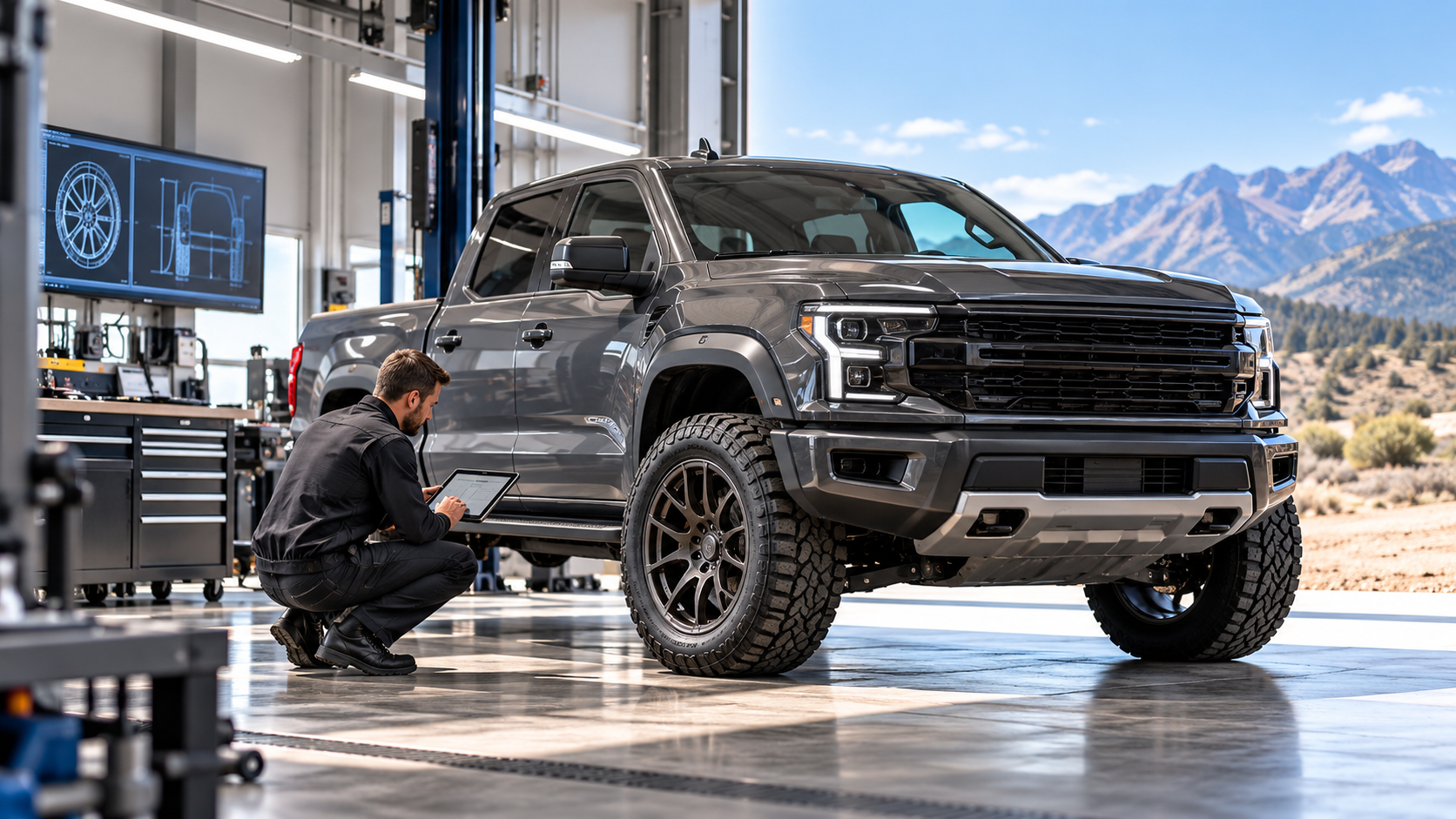
Pickup trucks are one of the most active segments in the aftermarket wheel market. Drivers use them for daily travel, towing, work, overlanding, and off-road builds. Because of this, wheel fitment must be planned with care.
For dealers, distributors, and private label wheel brands, pickup truck wheel fitment is more than choosing a bold design. The wheel must match the truck’s body, suspension, brake system, tire size, and use case. If the fitment is wrong, the result can be rubbing, poor handling, brake contact, or customer returns.
That is why truck wheel offset, backspacing wheels, and brake clearance truck wheels should be checked before launching any aftermarket line.
Why Pickup Truck Fitment Is More Complex
Pickup trucks come in many trims, cab sizes, drivetrains, and suspension setups. Also, owners often modify them with lift kits, larger tires, fender flares, and brake upgrades.
As a result, one wheel size may not fit every version of the same truck. A wheel that fits a base model may not clear the brakes on a higher trim. In the same way, a wheel that looks great on a lifted truck may rub on a stock-height vehicle.
So, B2B buyers should build fitment plans by platform, model year, trim, brake package, and target tire size.
What Truck Wheel Offset Means
Truck wheel offset is the distance between the wheel’s mounting surface and the centerline of the wheel. It affects how far the wheel sits in or out from the vehicle.
There are three common offset types:
- Positive offset: the wheel sits more inward
- Zero offset: the mounting face is near the wheel centerline
- Negative offset: the wheel sits more outward
For pickup trucks, offset has a strong effect on stance, fender clearance, suspension clearance, and steering feel. A more negative offset can create a wider look. However, it can also increase stress on bearings and suspension parts if taken too far.
Therefore, aftermarket lines should offer offset choices that match real customer needs, not just aggressive styling trends.
Why Backspacing Wheels Matter
Backspacing wheels are measured from the wheel mounting surface to the inner edge of the wheel. This tells buyers how much space the wheel needs inside the wheel well.
Backspacing is especially important for pickup trucks because inner clearance can be tight. The wheel and tire must clear suspension arms, brake parts, shock bodies, and inner liners.
If backspacing is too high, the wheel may sit too far inward and rub suspension parts. If it is too low, the wheel may sit too far outward and cause fender contact or poor road manners.
In short, offset and backspacing are linked. Dealers should understand both when planning stock.
Brake clearancetruck wheels need exact checks
Brake clearance truck wheels should be checked with real brake data. Modern pickups often come with larger rotors, bigger calipers, and different brake packages by trim level.
For example, towing packages, off-road trims, and performance models may need more clearance than standard versions. If the wheel barrel or spokes do not clear the caliper, the wheel cannot be safely installed.
Important clearance points include:
- Spoke-to-caliper space
- Inner barrel diameter
- Caliper height and width
- Rotor size
- Balance weight location
- Wheel concavity
- Hub and mounting face design
Even a small mismatch can cause rubbing or unsafe contact. So, sample fitting and digital fitment checks are important before mass production.
Tire Size Changes the Fitment Result
Pickup truck buyers often choose larger tires. This can change the full fitment picture. A wheel may fit the truck by itself, but the tire may rub during steering or suspension travel.
Before launching a wheel line, B2B teams should review the target tire sizes for each truck model. They should also check whether the fitment is for stock height, leveled trucks, or lifted builds.
Key tire factors include:
- Tire width
- Overall tire diameter
- Sidewall height
- Tread shoulder shape
- Load rating
- Air pressure range
A wider tire may need a different offset. A taller tire may need more fender clearance. Because of this, wheel and tire planning should happen together.
Stock, Leveled and Lifted Trucks Need Different Choices
Not every pickup owner wants the same look. Some want a clean factory-style upgrade. Others want a wider stance for an off-road build.
For stock-height trucks, fitment should stay practical. The wheel should clear brakes and suspension without rubbing. Also, the tire should fit without major trimming.
For leveled trucks, buyers may want a slightly wider setup. This can improve the look while keeping the truck usable every day.
For lifted trucks, more aggressive offset and larger tires may be possible. However, the wheel still needs the right load rating, brake clearance, and steering clearance.
Therefore, a strong aftermarket line should include fitment options for each build type.
Load Rating Should Match Real Truck Use
Pickup trucks are often used for towing, hauling, and work. So, wheel load rating is a key part of fitment planning.
A wheel may look strong, but the rating must match the vehicle and use case. Dealers should check gross vehicle weight, axle load, tire load, and customer use.
For work trucks and towing trucks, strength and reliability matter more than extreme style. For lifestyle trucks, design and finish may carry more weight. Still, the wheel must always meet the required load standard.
Finish and Design Also Affect Fitment
Wheel design is not only visual. Spoke shape, lip depth, barrel profile, and concavity can all affect clearance.
Deep concave wheels are popular in pickup truck styling. However, they may create brake clearance issues if not designed correctly. A wide lip can also affect offset choices and tire position.
Finish matters too. Pickup truck wheels face mud, gravel, salt, brake dust, and harsh weather. Common finishes include matte black, satin black, machined face, gunmetal, bronze, and clear-coated options.
For aftermarket programs, the best design is one that looks strong, fits well, and stays serviceable.
What Dealers Should Ask Before Ordering
Before adding pickup truck wheels to an aftermarket line, buyers should ask suppliers for clear fitment support.
Useful questions include:
- Which truck models and years does the wheel fit?
- What offset options are available?
- What backspacing values are offered?
- Has brake clearance been tested?
- What load rating does the wheel meet?
- Which tire sizes are recommended?
- Does it fit stock, leveled, or lifted trucks?
- Are custom finishes available?
- Is private label packaging available?
- What quality checks are used before shipment?
Wheelman supports forged and alloy wheel programs for global B2B customers, including custom design, fitment support, finishes, packaging, and production planning. This helps dealers and distributors build truck wheel lines that are practical, attractive, and ready for market needs.
A Simple Fitment Checklist
A clear checklist can help reduce mistakes before launch.
Before final approval, check:
- Bolt pattern
- Center bore
- Wheel size
- Truck wheel offset
- Backspacing
- Brake clearance
- Load rating
- Tire match
- Suspension clearance
- Fender clearance
- Finish durability
- Packaging needs
In addition, test fitment should be recorded. This makes it easier for sales teams and service partners to answer customer questions.
Final Thoughts
Pickup truck wheel fitment requires more than a bold design. Offset, backspacing, brake clearance, tire size, load rating, and suspension setup all affect the final result.
For dealers, distributors, and private label buyers, the best approach is to plan aftermarket lines around real truck use. By checking truck wheel offset, backspacing wheels, and brake clearance truck wheels early, businesses can reduce fitment risk and build stronger pickup truck wheel programs.


