Aero Wheels for EVs: When Closed Faces, Spoke Shape and Brake Cooling Help or Hurt
News Details
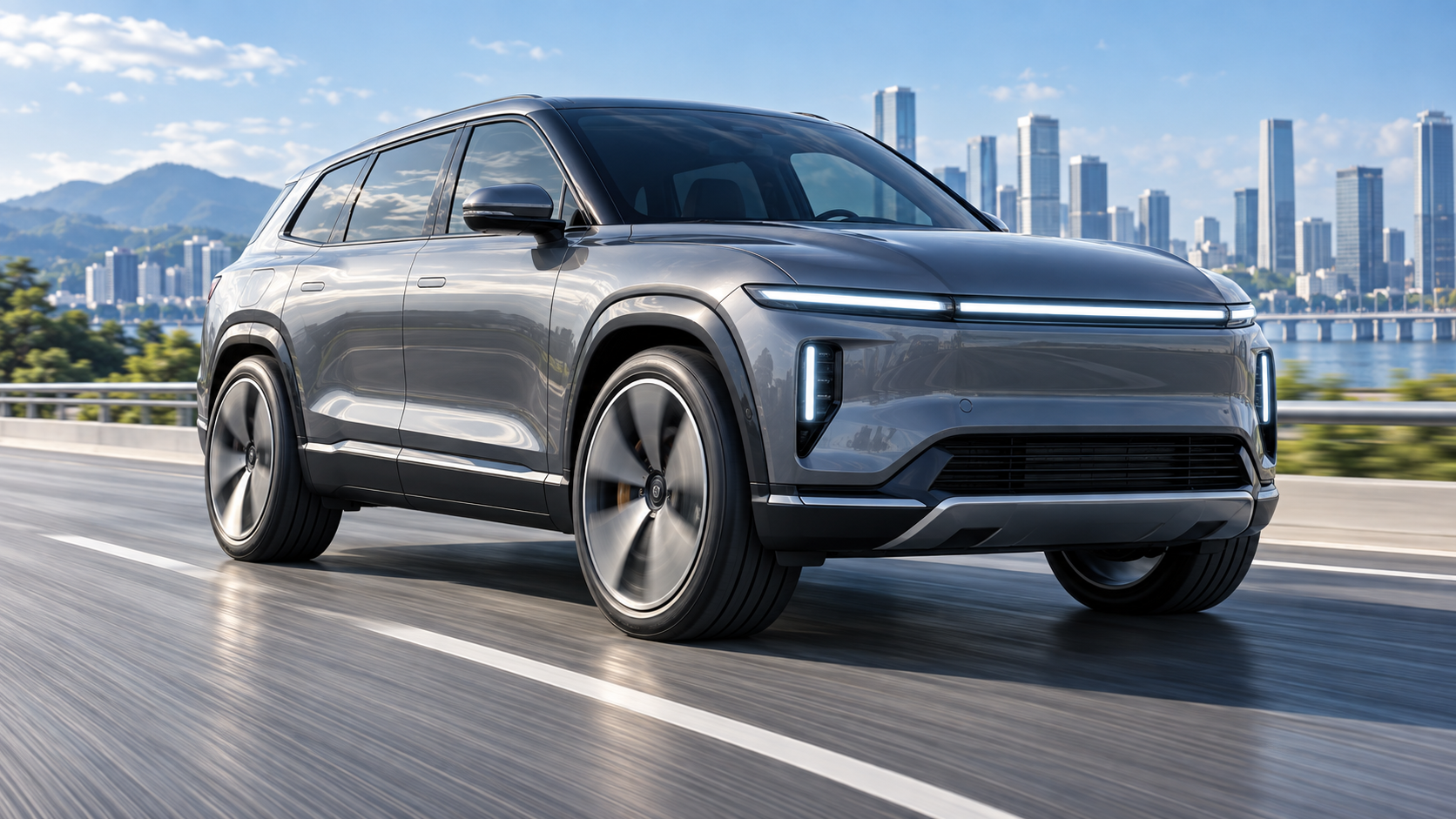
Electric vehicles have changed how buyers think about wheels. For many years, wheels were mainly judged by size, strength, finish, and style. Now, range matters more. Noise matters more. Weight matters more, too. Because of this, aerodynamic EV wheels have become a key topic for car brands, dealers, fleets, and private label wheel programs.
However, an aero wheel is not always better. A closed face can reduce drag, but it can also trap heat. A smooth spoke can help air flow, but it may add weight or reduce brake space. So, the best EV aero wheels must balance drag, strength, brake cooling, tire fitment, and brand design.
Wheelman supports custom wheel programs with forged and alloy wheel solutions, FEA engineering, PPAP quality control, OEM/OES-focused standards, and global supply chain support. For B2B buyers, this means each low drag wheel design can be reviewed as a full project, not just a drawing.
Why Aero Wheels Matter for EVs
EVs need less energy at low speed. Yet, at highway speed, air drag becomes a major factor. Wheels sit in fast, messy air near the road. As they spin, they can create drag and noise. Therefore, wheel design can affect range, comfort, and vehicle feel.
A more closed wheel face can help smooth the air around the wheel. In some cases, this may support better driving range. It may also reduce wind noise. For EV fleets, even a small range gain can matter over many vehicles and many miles.
Still, wheels must do more than move air. They must carry load, clear brakes, fit tires, pass tests, and match the vehicle image. That is why aero design should start with clear data.
When Closed Face Wheels Help
Closed face wheels use fewer open gaps. They may have wide spokes, flat panels, aero inserts, or smooth covers. This can help reduce air disturbance around the wheel.
Closed faces can help when:
The vehicle is built for highway range
The brake system has low heat demand
The wheel has enough load strength
The design keeps weight under control
The vehicle style supports a clean, smooth look
For EV sedans, luxury SUVs, and city fleets, this type of design can work well. It gives a quiet and modern look. Also, it can support range-focused marketing for dealers and fleet buyers.
However, the wheel should not be fully closed without engineering review. Even if the face looks simple, the load path, spoke shape, and brake space still need careful checks.
When Closed Face Wheels Can Hurt
A closed wheel face can create problems if it blocks too much air. Brakes still need cooling, even on EVs. Regenerative braking reduces brake use, but it does not remove heat risk. Long downhill driving, high-speed stops, towing, heavy loads, and repeated braking can still raise brake temperature.
So, EV wheel brake cooling should be part of the design plan. If cooling is too weak, braking parts may run hotter. This can affect pad life, rotor life, and brake feel.
Closed face wheels can also add weight. If a design uses too much metal to close the face, it may reduce the range benefit. More weight can hurt ride comfort and handling. Therefore, the real goal is not just “more closed.” The goal is smarter airflow with safe weight and safe cooling.
Spoke Shape: Small Details Make a Big Difference
Spoke shape controls both strength and airflow. A flat spoke can guide air better than a sharp, open shape. A curved spoke can move air away from the wheel area. Meanwhile, a split spoke may look sporty, but it can create more turbulence if the gaps are too large or uneven.
For low drag wheel design, spoke shape should be clean and stable. Yet, it should still have enough structure for load and impact strength. On heavier EVs, this is very important. Battery weight adds stress, and instant torque adds more force around the hub and spokes.
Good spoke design should consider:
Vehicle weight and axle load
Wheel load rating
Brake caliper size
Tire width
Offset and center bore
Target driving speed
Brand style and finish
As a result, the best design is often a balance. It may use wider spokes, soft edges, and controlled openings. This keeps the aero benefit while still allowing heat to escape.
Brake Cooling: The Hidden Risk in EV Aero Wheels
Many buyers think EV brakes stay cool because of regenerative braking. Often, they do. But this is not always true. Heavy EVs, fleet EVs, performance EVs, and loaded SUVs can still create high brake heat.
Also, some EVs are used in hilly areas or hot climates. Others may carry passengers, tools, or cargo. In these cases, EV wheel brake cooling becomes more important.
To reduce risk, buyers should ask for:
Brake clearance review
Airflow opening review
Heat risk review based on vehicle use
Sample fitment check
Road or lab validation when needed
A wheel with small, planned air paths can often cool better than a fully closed face. For this reason, an aero wheel should not be judged only by its surface area. The path of the air matters.
Forged Aero Wheels for EV Programs
Forged wheels can be a strong choice for EV aero projects. Forged aluminum offers high strength and can help reduce weight compared with some other wheel types. This matters because many aero designs use larger surfaces or wider spokes.
Wheelman offers forged wheel options using 6061-T6 forged aluminum, with monoblock, 2-piece, and 3-piece structures. These structures give B2B buyers more room to match design, strength, and cost targets.
For premium EVs, forged aero wheels can support both function and style. For private label brands, they also allow custom logo, finish, offset, and fitment choices. Therefore, forged construction can be useful when the project needs a unique look with strong performance targets.
Key Checks Before Production
Before ordering EV aero wheels, buyers should confirm the full design plan. A good checklist can prevent delays and fitment issues.
-
Confirm the vehicle data
Check vehicle model, weight, axle load, bolt pattern, center bore, offset, and brake size. -
Define the aero goal
Decide whether the main goal is range, quiet driving, brand style, or all three. -
Review spoke and face design
Check if the wheel has the right balance of closed surface and cooling openings. -
Confirm brake cooling needs
Review vehicle use, brake size, driving conditions, and heat risk. -
Check tire width and wheel width
Make sure the tire fits the rim and clears the body and suspension. -
Run engineering review
Use FEA and design checks to review strength before tooling. -
Build and test samples
Check fitment, finish, runout, air leak, and real vehicle clearance. -
Confirm quality documents
For OEM/OES or fleet programs, request PPAP-style records and test reports as needed.
What B2B Buyers Should Ask Suppliers
Aero wheel projects need more care than standard style wheels. Before choosing a supplier, buyers should ask:
Can you support custom EV aero wheels?
Can you review low drag wheel design with engineering input?
Can you balance closed face design with EV wheel brake cooling?
Can you provide FEA analysis and fitment confirmation?
Can you support custom finish, logo, and packaging?
Can you manage stable bulk production and global delivery?
These questions help buyers find a partner who can support both design and production.
Wheelman Support for Aero EV Wheel Projects
Wheelman is a professional wheel manufacturer in China, serving OEM/OES, aftermarket, dealer, and private label needs. The company supports wheel projects from design to delivery, including advanced engineering, FEA analysis, PPAP protocols, custom fitment, and global fulfillment.
For aerodynamic EV wheels, Wheelman can help B2B buyers review the full picture: closed face ratio, spoke shape, weight, brake cooling, tire width, offset, finish, and validation. This makes the project easier to manage and helps reduce risk before mass production.
Final Thoughts
EV aero wheels can help range, noise, and brand image. Yet, they must be designed with care. A closed face can help airflow, but it may hurt brake cooling. A smooth spoke can reduce drag, but it must still meet load and strength needs.
Therefore, the best aero wheel is not the most closed wheel. It is the wheel that fits the vehicle, manages air well, cools the brakes, carries the load, and passes the right checks. For B2B buyers, that balance is the real value of a well-planned EV wheel program.


