Why Are Forged Wheels Stronger Than Cast Wheels?
News Details
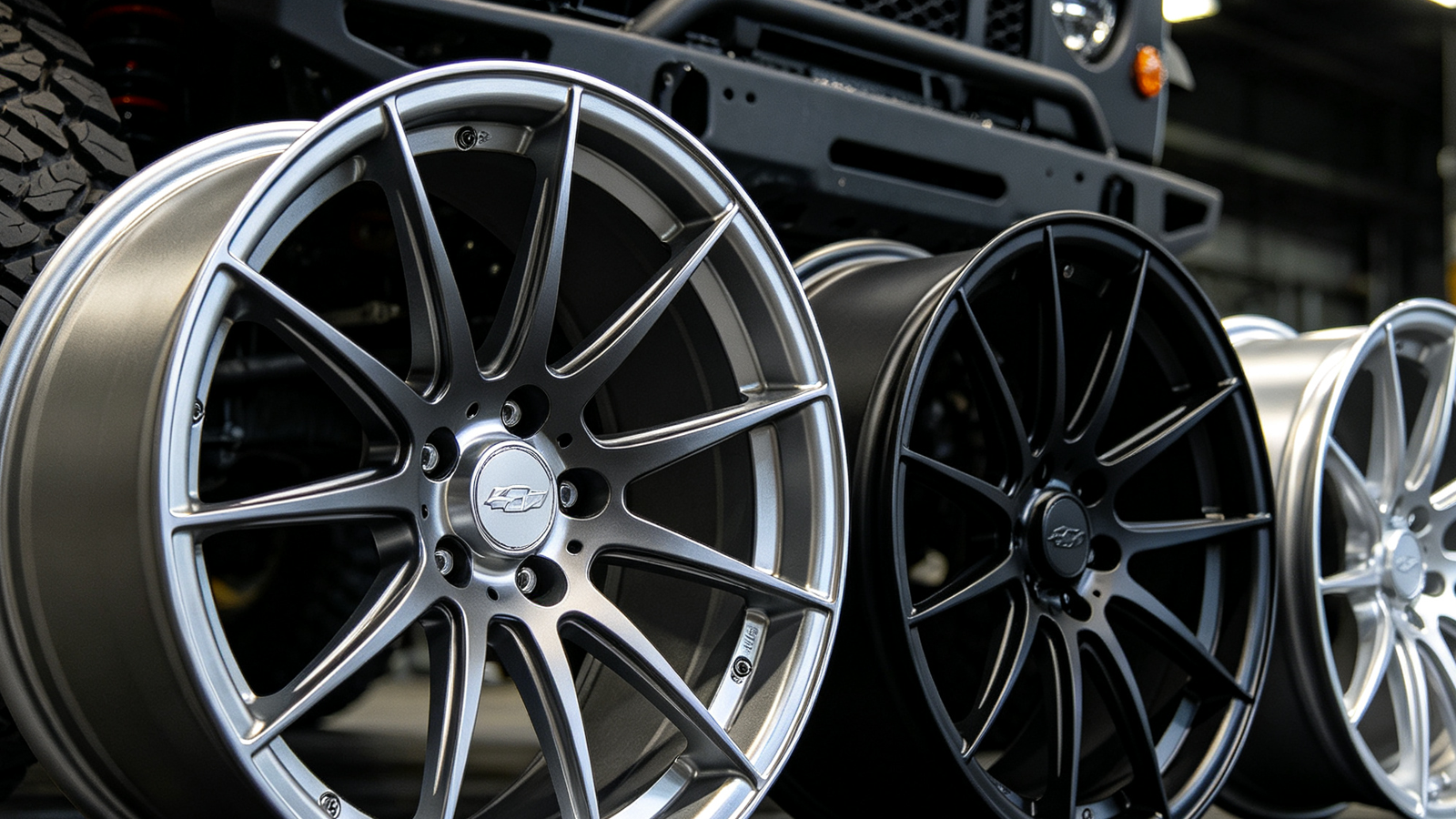
Vehicle safety, smooth handling, and fuel savings depend heavily on the quality of your wheels. Fleet managers, auto parts distributors, and commercial vehicle builders face a common decision when buying wheels. They must choose between two main manufacturing methods: forging and casting.
A standard question always comes up during sourcing decisions: why are forged wheels consistently stronger and more reliable than cast wheels?
Understanding how manufacturers make these wheels helps business buyers choose the best products for their commercial needs. This guide explains the step-by-step manufacturing process, compares real-world strength, and details why forged options offer better long-term value for heavy-duty applications.
What Are Forged Wheels and How Are They Made?
Before comparing strength, we must first answer a basic question: what are forged wheels and how do factory teams produce them?
To understand what does forged wheels mean in clear technical terms, we must look at how metal changes under force. Forging starts with a solid bar or cylinder of high-grade aluminum alloy, such as 6061-T6 aluminum. Heavy industrial machinery heats this solid metal block and applies thousands of tons of continuous hydraulic pressure.
This extreme pressure compresses the raw aluminum into a rough wheel shape. Next, computer-controlled machines (CNC mills) carve out the spokes, drill the bolt holes, and finish the rim surface with exact precision.
Cast wheels follow a completely different path. Workers heat aluminum until it turns into a glowing hot liquid. Then, they pour this liquid metal into a pre-made mold. As the hot metal cools and turns back into a solid, tiny air bubbles often get trapped inside. These microscopic air pockets create weak points within the metal structure.
What Is So Special About Forged Wheels?
So, what is so special about forged wheels that makes them worth the investment for high-performance and commercial fleets? The answer lies in the internal structure of the metal itself.
Continuous Grain Structure
When a hydraulic press crushes solid aluminum, it aligns the natural internal grain of the metal. The grain flows evenly along the shape of the wheel. This aligned pattern works like tightly twisted steel cables, spreading heavy impact forces evenly across the whole wheel face.
Solid Metal Without Air Voids
Forging never melts the aluminum into liquid form during the shaping process. Therefore, no trapped gas or air pockets exist inside the final part. This solid density eliminates hidden weak spots where crack lines usually start under heavy loads.
Higher Strain Resistance
Forged aluminum possesses high yield strength and high tensile strength. As a result, a forged rim bends slightly under extreme impacts instead of snapping or cracking suddenly. This flexibility keeps vehicles safer during unexpected road hazards.
Which Is Better, Forged or Cast?
When fleet buyers ask which is better, forged or cast?, the practical answer depends on how vehicles operate and how much stress the wheels handle daily.
| Key Feature | Forged Wheels | Cast Wheels |
| Metal Structure | Solid, tightly compressed metal grains | Contains tiny microscopic air bubbles |
| Impact Strength | Bends slightly under extreme stress | Cracks or breaks easily under hard shocks |
| Wheel Weight | Lighter overall weight | Heavier due to extra metal thickness |
| Load Capacity | Handles heavy commercial payloads easily | Standard payload limits |
| Upfront Cost | Higher initial price | Lower initial price |
Cast wheels cost less money up front, making them popular for standard passenger cars. However, forged wheels provide far better strength-to-weight ratios. In commercial transport, lighter wheels lower fuel use and reduce tire wear. Over thousands of miles, these savings balance out the higher initial purchase price.
Key Benefits for Commercial Fleets and B2B Buyers
Choosing forged components offers direct operational benefits for logistics companies, auto parts importers, and vehicle upfitters.
1. Safer Fleet Operations
Commercial trucks and buses travel long distances over rough roads while carrying heavy cargo. Forged rims resist fatigue across millions of tire revolutions. Drivers experience fewer tire rim blowouts and less vehicle downtime.
2. Reduced Fuel Consumption
Forged rims weigh significantly less than cast rims of the same size. Lighter wheels reduce the unsprung weight on a vehicle chassis. Consequently, the engine works less to rotate the wheels, saving noticeable amounts of fuel across an entire vehicle fleet.
3. Less Wear on Brakes and Tires
Reducing wheel weight lowers rotational inertia. This means the driver can start moving and bring the vehicle to a full stop with less effort. Because the vehicle stops faster, brake pads, brake rotors, and tires last much longer before needing replacement.
4. Custom Manufacturing Options
Modern CNC machines make it easy to cut custom wheel profiles. Leading suppliers like Wheelman Auto produce custom bolt patterns, offsets, and load ratings that match specific commercial trucks, trailers, and armored vehicles.
Summary: Making the Right Buying Decision
In conclusion, forged wheels outperform cast alternatives because intense heat and mechanical pressure transform simple metal into an ultra-dense, continuous shape. For commercial applications where load safety, long product life, and weight reduction matter most, forging remains the best choice for modern wheel manufacturing.


