Why Are Forged Rims So Expensive? A Complete B2B Guide
News Details
When sourcing aftermarket alloy wheels for commercial fleets, performance vehicles, or custom automotive builds, price is always a major factor. Standard cast wheels are widely available and budget-friendly. However, premium forged rims command a significantly higher price tag on the market.
So, why are forged rims so expensive? Is the higher price point justified by the manufacturing process and long-term durability?
In this guide, we break down the cost structure behind premium forged wheels. We examine the complex engineering process, raw material costs, and real-world performance benefits to help automotive wholesalers, retailers, and B2B buyers make informed purchasing decisions.
What Are Forged Wheels?
To understand the price tag, we must first answer a basic question: what are forged wheels?
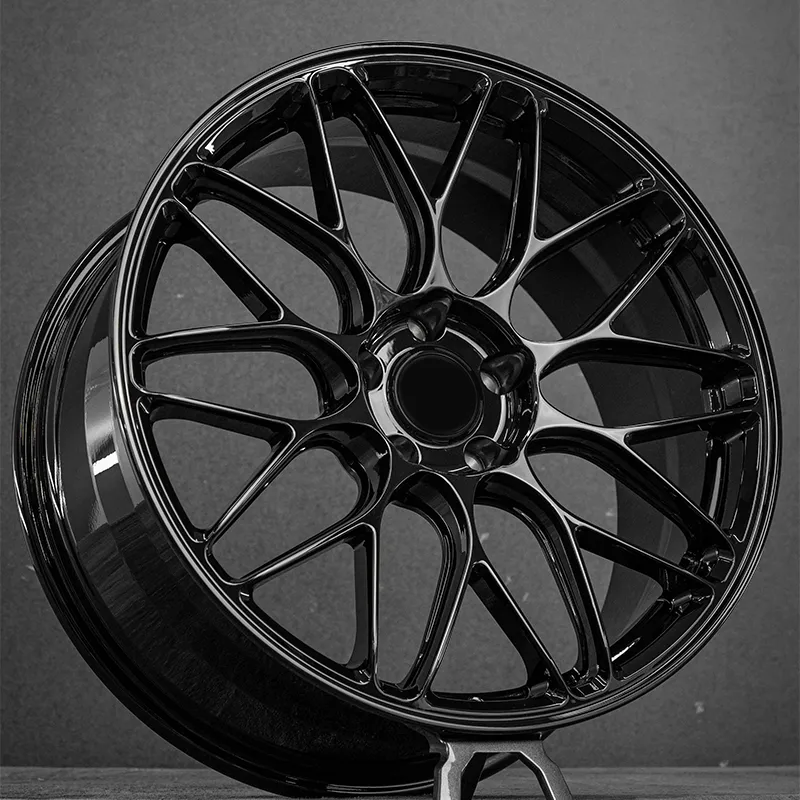
Simply put, forged wheels are high-strength alloy wheels made from a single solid block of aerospace-grade aluminum (usually 6061-T6 aluminum alloy).
Unlike standard cast wheels, which are made by pouring liquid molten metal into a mold, forged wheels undergo intense heat and immense pressure. Heavy industrial presses apply thousands of tons of force to compress the aluminum billet. This continuous pressure crushes the metal grain structure, eliminating internal air pockets, microscopic voids, and structural flaws.
As a result, the final product is exceptionally dense, remarkably strong, and significantly lighter than traditional cast wheels.
What Does Forged Wheels Mean for Vehicle Performance?
When evaluating product specifications for clients, buyers often ask: what does forged wheels mean in terms of real-world value?
In practical automotive terms, choosing forged wheels means gaining three distinct advantages:
-
Superior Structural Strength: The tight grain structure allows forged rims to withstand heavy impacts, high cornering loads, and extreme driving conditions without cracking or bending easily.
-
Reduced Unsprung Weight: Because forged aluminum is so dense and strong, engineers can use less metal to achieve structural integrity. This lighter weight reduces unsprung mass on the vehicle.
-
Improved Handling and Efficiency: Less unsprung weight improves suspension response, shortens braking distances, sharpens acceleration, and boosts overall fuel efficiency.
Key Reasons: Why Are Forged Rims So Expensive?
Now that we understand the technology, let's explore the core drivers behind the production costs.

1. High Raw Material Costs
The production process starts with top-tier raw materials. Forged wheels utilize premium 6061-T6 aerospace aluminum billets. This grade of aluminum is far more costly than the recycled or lower-grade aluminum alloys used in basic gravity casting. In addition, a large amount of raw material is carved away during machining, which increases material usage costs per finished wheel.
2. Massive Industrial Equipment Investment
Forging aluminum requires specialized, heavy-duty industrial machinery. Manufacturers must operate massive forging presses capable of generating between 8,000 and 10,000 tons of pressure. These multi-million-dollar machines require continuous maintenance, precise calibration, and massive energy consumption, all of which raise overhead costs.
3. Precision CNC Machining Time
After the initial forging press creates a solid disk (or "blank"), the wheel must be carved into its final design. Advanced Computer Numerical Control (CNC) mills slowly slice away excess metal to create intricate spoke patterns and exact offset measurements.
Because precision CNC machining takes time—often several hours per wheel—labor and machine running costs are considerably higher compared to quick casting molds.
4. Rigorous Quality Control and Testing
Forged wheels are designed for high-performance, luxury, and heavy-duty applications. Therefore, quality assurance is exceptionally strict. Leading manufacturers subject forged wheels to rigorous testing standards, including:
-
Radial load fatigue tests
-
Cornering fatigue tests
-
Impact resistance tests
-
X-ray and ultrasonic flaw detection
This intensive testing process ensures maximum safety on the road, but it also adds to total manufacturing expenses.
5. Customization and Small-Batch Production
Cast wheels are usually mass-produced in thousands of identical units to achieve economies of scale. In contrast, forged wheels are frequently built in smaller production runs or tailored to custom offsets, bolt patterns, and surface finishes. Small-batch manufacturing naturally increases per-unit operational costs.
Forged Wheels vs. Cast Wheels: A Quick B2B Comparison
For automotive distributors and fleet operators, choosing between cast and forged options depends on balancing budget against performance needs.
| Feature | Cast Alloy Wheels | Forged Alloy Wheels |
| Manufacturing Method | Molten metal poured into molds | Solid metal compressed under 8,000+ tons of pressure |
| Material Density | Lower density, potential air pockets | Extremely high density, zero porosity |
| Weight | Heavier | Significantly lighter |
| Impact Strength | Moderate (can crack under heavy impact) | Exceptional (bends rather than shatters) |
| Customization Flexibility | Fixed mold designs | Highly customizable via CNC machining |
| Price Point | Budget-friendly | Premium price point |
Are Forged Rims Worth the Higher Investment?
Although initial costs are higher, forged rims offer long-term savings for commercial applications, high-end vehicle customization, and track-focused automotive fleets. Because they rarely bend or fracture under extreme stress, replacement and repair rates drop dramatically over time.
Furthermore, for high-performance vehicle owners, the improvements in handling, safety, and fuel efficiency deliver a driving experience that standard cast wheels simply cannot match.
If you are sourcing direct-from-factory custom wheels or looking for a trusted B2B manufacturing partner, explore high-strength custom solutions at Wheelman Auto. Partnering with an experienced manufacturer ensures you receive certified quality, precise CNC engineering, and competitive factory pricing for your business.
Summary
In short, why are forged rims so expensive? They cost more because they rely on aerospace-grade raw materials, extreme mechanical pressure, precision CNC machining, and rigorous safety testing. Understanding what forged wheels represent in strength and efficiency helps B2B buyers explain this value clearly to their end customers.


