
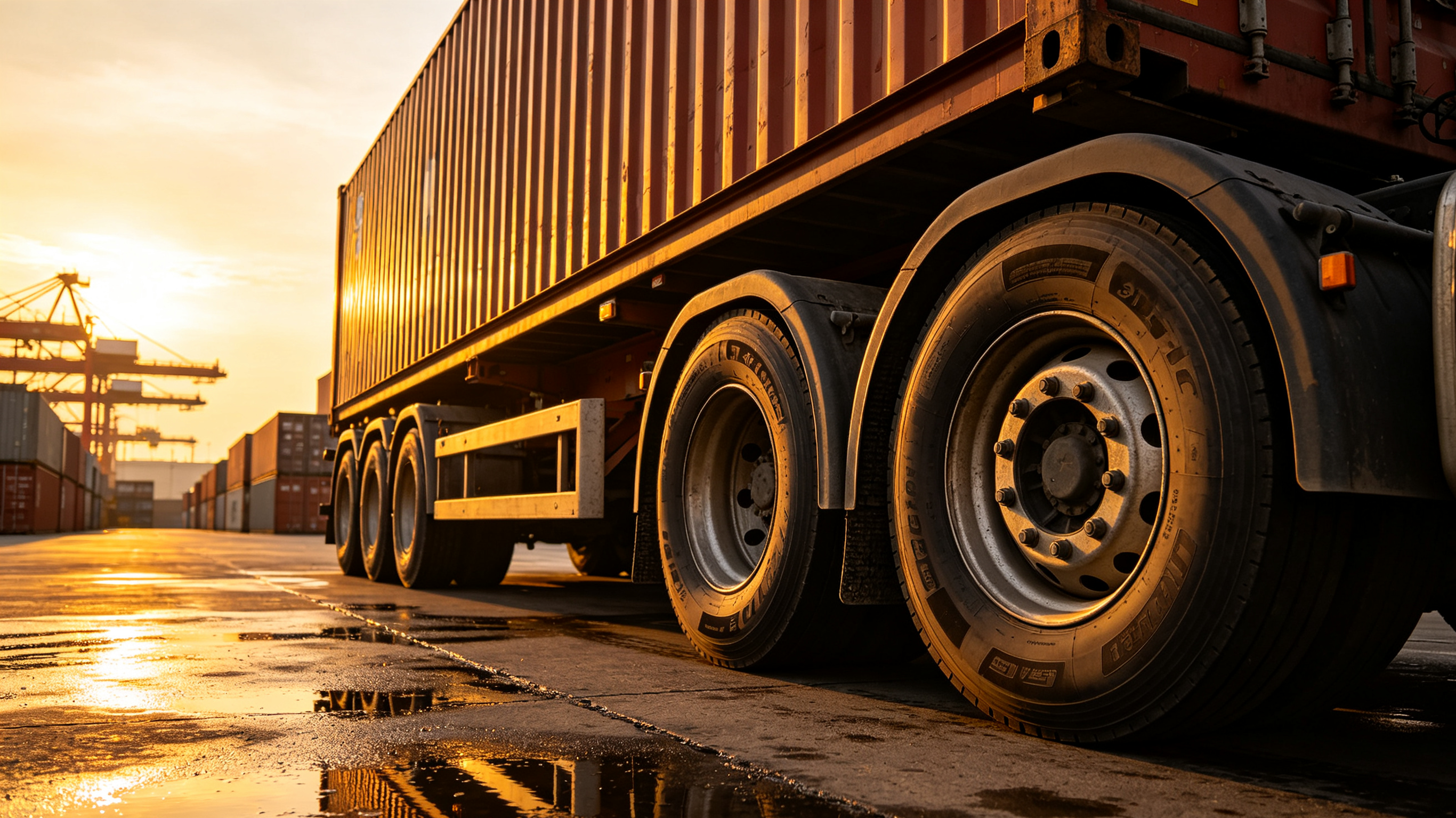
For logistics businesses, equipment rental companies, and fleet operators, trailer maintenance is the key to smooth operations. When trailers are hauling heavy payloads across long distances, the smooth spinning of the hub is vital. However, road grime, salt water, and heavy stress can break down the grease inside the hub over time. This leads to friction, heat, and eventual roadside breakdown. To prevent these costly issues, knowing how to install trailer wheel bearings is an essential skill for your maintenance team.
Properly packed and installed bearings prevent expensive axle damage and protect your cargo. In this guide, we will break down the process into simple, easy-to-follow steps so your shop can keep your trailers moving safely.
Why Maintenance Matters forTrailer Wheels and Tires
Before picking up your tools, it helps to look at how a trailer chassis handles heavy stress. The entire weight of your load rests directly on the connection between the trailer wheel and frame. If a bearing fails while driving at highway speeds, the hub can lock up completely, causing extreme damage to the axle spindle.
By regularly inspecting your trailer wheels and tires, you can spot early signs of wear, such as grease leaking out of the dust cap or a clicking sound when the wheel spins. Catching these signs early means you can replace the hardware before a minor issue turns into a major fleet breakdown.
Tools and Parts You Will Need
To complete the installation efficiently, gather these basic tools and supplies beforehand:
-
New bearing cones and matching races
-
New high-quality rubber grease seals
-
Premium marine-grade wheel bearing grease
-
A torque wrench and a cotter pin
-
A bearing driver tool or a soft brass punch
-
Clean rags and a parts cleaner solvent
Step-by-Step Guide: How to Install Trailer Wheel Bearings
Follow these simple factory steps to ensure a flawless installation on your fleet equipment:
Step 1: Remove the Old Hardware
First, raise the trailer safely using a heavy-duty jack and secure the frame with sturdy jack stands. Next, remove the lug nuts and pull the trailer wheels off the axle hub. Pry off the metal dust cap, remove the cotter pin, and unscrew the large castle nut. Now, carefully slide the entire hub assembly off the axle spindle.
Step 2: Clean and Inspect the Hub
Use a good parts cleaner solvent to wash away all the old, dirty grease from inside the hub cavity and off the spindle. Once the parts are completely dry, inspect the spindle for any deep scratches, scoring, or heat discoloration. If the spindle metal is worn smooth, it is ready for the new parts.
Step 3: Install the New Bearing Races
The bearing races are the smooth metal rings that sit pressed inside the hub. Use a soft brass punch or a dedicated bearing driver to tap the old races out. Next, place the new races into position. Carefully tap them in until they seat completely flat against the inner shoulder of the hub cavity.
Step 4: Pack the New Bearings with Grease
Place a large amount of premium wheel bearing grease into the palm of your gloved hand. Force the wide end of the bearing cone repeatedly into the grease until the lubricant squeezes out through the top rollers. This ensures that every internal moving part is fully coated. Drop the freshly packed inner bearing straight into the backside of the hub.
Step 5: Seat the New Grease Seal
Place the new rubber grease seal over the greased inner bearing. Use a flat block of wood and a hammer to gently tap the seal down until it sits completely flush with the edge of the hub. This seal is highly critical because it prevents water from entering and keeps the grease from leaking out onto your brakes.
Step 6: Reassemble the Hub and Adjust
Slide the complete hub assembly back onto the clean axle spindle. Drop the greased outer bearing into the front of the hub, followed by the washer and the castle nut. Tighten the castle nut while spinning the hub by hand until you feel a slight drag. Finally, back the nut off slightly, align the slot with the spindle hole, and insert a new cotter pin to lock it in place.
Real-World Solutions from Wheelman Auto
Managing a reliable supply chain for high-performance trailering components requires an experienced manufacturing partner. At Wheelman Auto, we bring over 20 years of specialized expertise to global B2B buyers. Our 40,000-square-meter facility produces certified, high-strength commercial rims designed to keep your cargo secure under maximum payloads.
Wheelman Auto Case Study: The Commercial Hauling Fleet Overhaul A regional logistics company operating a large fleet of heavy-duty cargo trailers was facing constant wheel hub failures. The intense heat from carrying 1,350 kg payloads on unpaved roads was destroying their factory bearings and warping their steel rims. They needed a rugged, long-term solution to protect their fleet logistics.
The engineering team at Wheelman-Auto.com delivered a full professional upgrade:
-
Low-Pressure Alloy Upgrade: We transitioned their fleet to our low-pressure alloy wheels, which are structurally certified to support heavy commercial loads up to 1,350 kg safely.
-
Strict Compliance Safety: Every wheel was precision-built to pass intense radial fatigue and cornering impact tests, meeting JWL/VIA and ISO/TS16949 international standards.
-
Perfect Hub Fitment: We engineered the center bore and backspacing to match their trailer hubs exactly, reducing vibration and lowering the heat stress placed on the wheel bearings.
By upgrading to Wheelman Auto wheels and establishing a strict bearing maintenance schedule, the logistics company completely eliminated their trailer breakdown issues. Their trailers moved smoothly between job sites, saving the business substantial money on repair labor and tire wear.
Summary
In conclusion, mastering how to install trailer wheel bearings is one of the most effective ways to lower your fleet's operating costs and ensure road safety. By taking the time to pack the grease correctly, seat the seals flush, and adjust the castle nut precisely, you ensure your trailer wheels glide effortlessly over long highway miles.
If you are looking for a trusted B2B manufacturer to supply your business with top-tier, certified trailer wheels and commercial rims, Wheelman Auto is here to support your supply chain. Visit Wheelman-Auto.com today to check our extensive product catalogs and learn more about our wholesale OEM and ODM custom manufacturing services.


