How to Choose a Forged Wheel Manufacturer for OEM and Aftermarket Programs
News Details
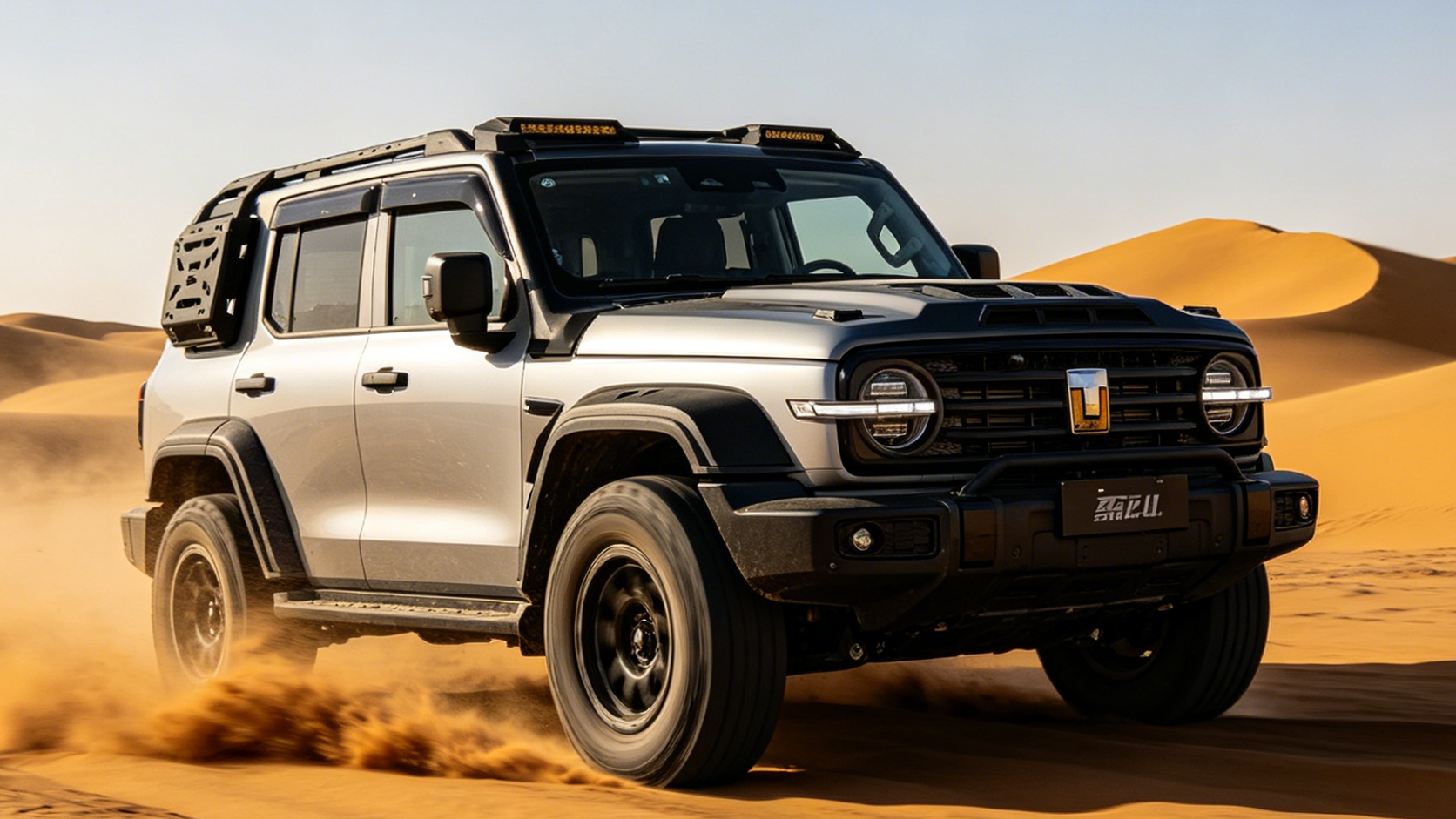
Demand for forged aluminum wheels continues to grow across the globe. Vehicle owners want lighter wheels, while car brands need higher load capacity and premium styles. Therefore, picking the right manufacturing partner is a crucial decision for your business.
Whether you operate as an OEM wheel manufacturerclient or an expanding aftermarket wheel supplier, finding a partner with top-tier technical skill, flexible engineering, and strict testing standards is essential.
Here is a clear guide on how to evaluate and choose a forged wheel manufacturer for your next program.
1. Evaluate Technical Production Capabilities and Engineering Support
First, forging requires far more precision than standard casting. A high-quality forged wheel starts with 6061-T6 aluminum blanks, which are pressed under thousands of tons of force. After that, advanced CNC milling machines shape the spokes and rim barrel.
When you look for a partner, check their engineering strength:
-
3D Design and FEA Analysis: Do their engineers run Finite Element Analysis (FEA) software before cutting metal? This step checks stress points and ensures safety.
-
Custom Tooling Flexibility: Can they handle 1-piece monoblock, 2-piece, and 3-piece modular designs?
-
Precision CNC Equipment: Modern 5-axis CNC machines deliver exact fitments and complex spoke designs with tight tolerances.
Working with an experienced forged wheel manufacturer China like Wheelman Auto gives you access to complete OEM and ODM design support, helping bring complex concepts into full production smoothly.
2. Verify International Quality Certifications and Safety Standards
Next, safety cannot be compromised. Forged wheels often go on high-performance sports cars, heavy luxury SUVs, and off-road trucks. Consequently, the wheels must withstand severe road stress without structural failure.
Make sure your supplier holds valid international certifications:
-
ISO/TS16949 (IATF 16949): Proves the factory follows strict automotive quality management systems.
-
JWL & VIA: Essential safety standards for Asian and global export markets.
-
TÜV Standards: Required for European road compliance.
Always ask to see official test reports and current certificate copies before signing any purchasing agreement.
3. Inspect On-Site Testing Lab Equipment
In addition to digital simulations, physical lab testing is a must. A reliable factory tests raw aluminum forged blanks and finished wheels inside their own facility.
Key tests should include:
-
Dynamic Radial Fatigue Test: Simulates long-term driving under heavy loads.
-
Dynamic Bending Fatigue Test: Checks spoke strength during high-speed cornering.
-
13° and 90° Impact Tests: Simulates hitting curbs or potholes at speed.
-
Air Leak and X-Ray Scans: Verifies internal metal density and prevents hidden air leaks.
Factories with full in-house testing equipment can validate new custom designs faster, saving you valuable time during the development phase.
4. Assess MOQ Flexibility and Lead Time Commitments
Moreover, business terms matter just as much as technical skills. Different programs require different order quantities and delivery schedules.
-
OEM Programs: Focus on large volume consistency, strict delivery timelines, and stable long-term pricing.
-
Aftermarket Brands: Need smaller Minimum Order Quantities (MOQs), fast prototyping, and wide size ranges (from 18-inch to 24-inch setups).
Ask your potential supplier for clear timelines covering initial 3D drawings, sample production, lab testing, and mass delivery. Clear schedules prevent unexpected delays in your sales launch.
5. Check Surface Finishing Options and Intellectual Property Protection
Furthermore, the visual finish makes a huge impression on retail customers. A top supplier should offer a wide range of durable surface treatments:
-
Finishing Options: Brushed bronze, polished lips, gloss black, matte gunmetal, and custom tinted clear coats.
-
Salt Spray Resistance: Paint and clear coats must pass multi-hour salt spray testing to prevent winter rust or corrosion.
Equally important is Intellectual Property (IP) protection. If you spend money to develop a unique custom design, ensure the factory agrees to sign a Non-Disclosure Agreement (NDA) and offers exclusive regional selling rights.
Conclusion
Choosing the right forged wheel partner is all about finding the right balance between strength, design freedom, and business reliability. By verifying factory certifications, testing facilities, and finishing capabilities, you can build a strong and profitable supply chain.
Are you looking for a trusted partner for your next OEM or aftermarket forged wheel project? Contact the engineering team at Wheelman Auto today to get a custom quote and start discussing your technical specifications!


